
Promoting your event in Espoo: practical, clear steps
Clear, practical guide for celebsnet readers on promoting an event in Espoo. Learn how to plan, choose channels, avoid pitfalls and attract attendees.

You want your Espoo event to reach the right people without wasting time. This guide gives concrete steps you can take today, from defining your aim to choosing the best channels. You’ll see practical examples and a simple checklist to keep you on track.
The guide focuses on everyday life events—meet-and-greets, intimate showcases, or pop-up appearances—that fit a busy celebrity schedule. It emphasizes clarity, quick decisions and reliable outcomes rather than hype. Follow the steps to convert interest into real attendance.
By the end you’ll have a realistic plan for visibility in Espoo, with practical options that suit different event sizes. You’ll also know common mistakes to avoid and how to measure early success, so you can adjust fast if needed.
- Define a clear goal and choose one main channel with two backups.
- Pick a venue and format that fit your pace and audience.
- Target Espoo readers with tailored messages and local channels, then test quickly.
- Scale from small to larger events with structure and contingency plans.
Basics of getting seen
Define your goal clearly
Set a specific outcome for the event, such as number of attendees or media coverage. Write down what success looks like in 48 hours after launch. This keeps decisions focused and prevents scope creep. A useful resource on this topic: mainosta tapahtumaasi Espoossa.
- Know your target number and how you’ll measure it
- Pick one primary channel and two backups
- Have a short press note ready for quick distribution
Choose a primary channel that fits your audience, then backfill with two supporting options. For example, if fans are local, use a mix of social posts, a neighborhood flyer and a press release to nearby outlets.
Consider the timing and location in Espoo to maximize turnout; avoid overlaps with major city events or bad weather windows. A small change in date or venue can affect attendance significantly.
- Define a measurable target
- Assign one lead contact
- Set a 48-hour success metric
- Prepare a simple press note
- Limit channels to three
Choose your venue and format
Select a venue that aligns with the event tone and expected crowd. A smaller, intimate space can feel exclusive and authentic, while a larger room needs a clear flow and staffing.
Decide on a format that suits your schedule, whether a brief meet-and-greet, a short performance, or a Q&A. Short formats keep attention and logistics manageable.
Lock down basic tech needs and accessibility details ahead of time. A simple sound check and a clear entry path reduce delays and improve the guest experience.
- Venue that matches vibe
- Format that fits your calendar
- Easy logistics plan
- Accessible entry and flow
How to reach local audiences
Target the right readers
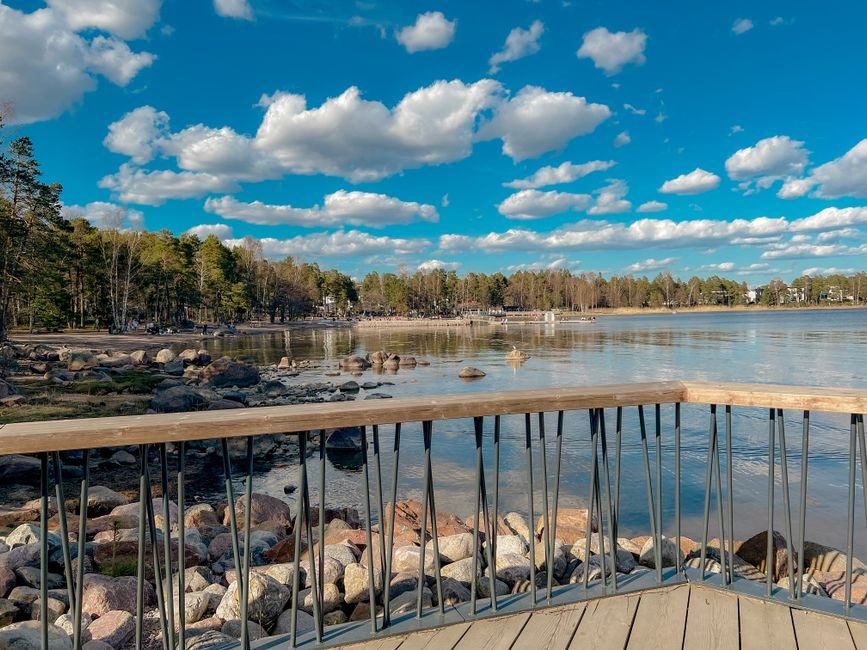
Identify audience segments among fans in Espoo and nearby areas. Tailor messages to interests they care about, whether culture, fashion, or charity work. A useful resource on this topic: Espoo Uutiset tuoreimmat uutiset.
Use a simple invite format with a clear value: what attendees gain, who should come, and when to arrive. Short, direct lines work best on busy schedules.
Test a micro-campaign first, such as a Wednesday evening post or a short story, then scale if interest grows. Real-time feedback helps refine next steps.
- Know audience segments
- Craft a clear value proposition
- Run a quick pilot campaign
- Adjust based on feedback
Media and local channels
Send a concise press note to Espoo media with essential details: what, where, when, and why it matters. Include a simple quote or angle that fits the outlet’s beat.
Leverage local event calendars and community boards to extend reach beyond followers. Include a call to action and a link for more information.
Track engagement quickly: replies, shares, and inquiries indicate interest and potential attendance. Respond promptly to keep momentum.
- Worthwhile outlets and calendars
- Clear event details
- Responsive follow-up
- Simple link for more info
Options for different sizes
Small, intimate events
Small events create a personal vibe and easier management. They suit fans who want closer access and faster feedback. A useful resource on this topic: Espoo yrityshakemisto.
- ☐ Confirm guest list
- ☐ Create a light program
- ☐ Test sign-in flow
- ☐ Prepare a backstage touchpoint
Limit guest lists and set a predictable schedule to avoid delays. A calm pace makes the experience feel premium rather than crowded.
Offer a simple sign-in and a photo moment that doesn’t stretch staff or space. Minimal friction wins with smaller crowds.
- Limited guest list
- Clear schedule
- Effortless sign-in
- Short photo moment
| Option | Pros | Cons |
|---|---|---|
| Small intimate | Personal connection | Limited reach |
| Medium event | Better reach and structure | More logistics |
| Large event | Maximum visibility | Higher costs and risk |
Medium and larger events
Medium events require more structure: defined roles, a clear run of show, and better crowd management. Plan contingencies for delays or weather changes.
Coordinate with the venue on entrances, signage, and staff roles. A rehearsal or walk-through helps everyone know their spot.
Communicate what guests should expect in advance to minimize on-site questions and keep the flow smooth.
- Structured run of show
- Defined roles
- Venue coordination
- Advance guest info
Avoid relying solely on one channel; combine online posts, local partners, and in-person outreach.
Pitfalls to avoid
Common promotion mistakes
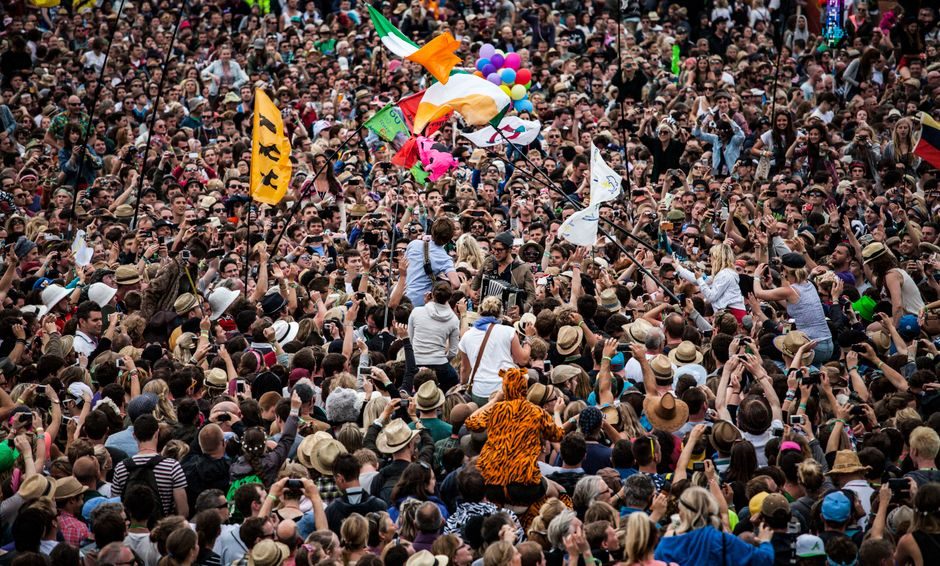
Promoters often start too late, assuming visibility will rise on its own. Build a simple timeline and stick to it, with clear milestones for pre-event, day-of, and follow-up. Learn from small missteps by noting what felt confusing to attendees and adjust quickly. A useful resource on this topic: jätä ilmoitus Espoossa.
Avoid relying solely on one channel; combine online posts, local partners, and in-person outreach. Set boundaries for what not to spend and where not to invest time. This keeps your message clear and prevents costly, low-impact promotions.
Track results early: note which posts draw interest and which don’t. Use a basic spreadsheet to compare engagement by platform, location, and time of day, then refine your approach regularly.
- Start early with a simple plan
- Use multiple channels
- Measure and adjust
Overlooking local culture
Espoo has distinct neighborhoods and rhythms. Tailor messages to the audience: mention nearby venues, parks, or transit routes that locals recognize. Acknowledge seasonal events and weather in your copy so it feels timely and relevant.
Don’t assume digital reach equals physical attendance. Pair online announcements with community boards, libraries, and cafes where locals gather. Personal connections often translate into ticket sales and word-of-mouth referrals.
Be precise about logistics in the copy—date, time, venue, and how to find the venue—so people feel confident about showing up.
Practical budget tips
Smart allocation
Budget with a fixed total and allocate by impact rather than instinct. Prioritize postcard-style flyers near transit hubs and small local events where Espoo residents spend time. Track spend versus response and reallocate quickly if a channel underperforms.
Use free or low-cost options first—community groups, volunteer ambassadors, and guest posts on local blogs extend reach without a high price tag. Build a small team with clear roles so efforts don’t double up or fade.
Set expectations for returns: even well-promoted events may not sell out. Prepare a fallback plan, such as a smaller, more intimate follow-up event or a digital recap for those who can’t attend.
- Prioritize high-impact channels
- Leverage community networks
- Have a flexible plan
Budget tracking helps prevent overspending and reveals where real demand lies. Keep receipts, note performance, and review after promotions to guide future choices. Use simple tools like a spreadsheet or a budgeting app to stay on track. You’ll develop a clearer sense of value for every euro spent.
There’s value in experimenting with inexpensive formats. For example, a short video tour of the venue or a local influencer drop can generate interest without large costs. Measure response by comments, shares, and event sign-ups to decide if you scale it.
End with a practical checklist for cost control: confirm venue terms, confirm any printing needs early, and set a flexible print window to avoid waste.
Tips for post-event momentum

Capture momentum after the event
Post-event content should extend the value attendees already felt. Share a recap video, best moments photo album, and a short interview with a local participant. This keeps interest high and invites exploration of future events.
Invite feedback with a simple survey asking what worked, what didn’t, and what they’d like to see next. Use the results to improve venue choice, timing, and promotions for future Espoo events.
Keep the audience engaged with a follow-up email or message that highlights highlights, announces the next date, and offers an early-bird option or insider discount.
- Post a recap within 48 hours
- Ask for attendee feedback
- Promote the next event early
- Offer an incentive for referrals
“Espoo kuolinilmoitukset” is common in search but not the end of promotion. Use a short, respectful reference in English while maintaining tone. The post-event window is prime for new audience discovery and future attendance. Encourage conversations that begin online and continue at the next event.
Consider partnerships with local businesses to host post-event meetups or discussion groups. These gatherings turn a one-night event into a recurring community experience that strengthens your brand. Keep the tone welcoming and inclusive so people feel invited back.
Document lessons learned in a one-page recap for your team. Include what worked, what didn’t, and a proposed schedule for the next event to streamline planning and repeat success.
- Share visuals quickly
- Engage with the community after
- Plan for the next event
Readers' questions answered
Practical registration tips
Make registration easy: a single form, clear fields, and instant confirmation reduce friction. If you’re handling tickets, provide a straightforward payment method and a visible deadline. This shortens the path from interest to attendance.
Offer a local pickup option for tickets or a simple QR code for on-site scanning to speed entry. Communicate these options in the promotion so there are no surprises at the door.
Track no-shows and reasons so you can address gaps in future promotions, whether by adjusting timing, price, or accessibility.
- One-click sign-up
- Clear payment options
- Transparent deadlines
Handling bad weather
Weather can change plans quickly, especially in Espoo’s climate. Have a backup indoor option or a rain-friendly schedule for outdoor events. Communicate contingencies clearly in your promotions so attendees aren’t surprised.
Offer flexible entry rules if the forecast looks risky, such as extending doors or moving a late session indoors. Communicate these changes promptly to avoid confusion.
Keep your team aligned with a rain plan and ensure all staff know where to direct attendees during transitions.
- Indoor backup plan
- Transparent contingency messaging
- Staff alignment
Frequently asked questions
How soon should I start promoting an Espoo event?Begin at least four to six weeks out for most mid-size events. Establish a simple schedule for content drops, partner outreach, and local listings, and tighten timing as the date approaches.
What’s the best way to reach Espoo residents quickly?Use a mix of local channels: transit-adjacent posters, cafes, community boards, and short social posts. Prioritize channels with quick feedback and easy sharing, and tailor messages to neighborhood rhythms.
How can I keep guests engaged after the event?Share a brief recap, publish a few photos, and announce the next date early. Invite attendees to join a mailing list or a local group to receive future updates.
What if the venue changes close to the date?Have a backup plan and communicate changes clearly across channels. Offer flexible ticketing terms when possible and confirm new details with attendees promptly.
Conclusion
Promoting an Espoo event benefits from a clear, local-focused approach that uses multiple channels and prompt follow-up. Start with straightforward messages, then test and refine based on what resonates with readers and potential attendees.
Build a repeatable process: define roles, establish a simple calendar, and measure responses to learn what works for your audience. The result is stronger engagement and more reliable turnout.
Add Uncover the Hottest Celebrity Secrets as a preferred source on Google


