
How to handle obituary notices in Denmark for lifestyle readers
Clear guidance on understanding Danish obituary notices, how to use them for personal matters, and steps to consider when sharing or referencing them in daily l

If you’re curious about what a Danish death notice means and how it might relate to everyday life, you’re not alone. This explainer clarifies the purpose, etiquette, and practical steps you can take if you encounter a notice or need to respond. You’ll learn when and how to discuss it, plus safer, respectful approaches for sharing information with friends and family.
Obituary notices often surface in family circles or local media, and understanding their purpose helps you respond with sensitivity. We’ll cover how these notices work, what they typically include, and what to do if you’re asked to confirm details or share news. The goal is to help you handle the topic confidently without overstepping boundaries.
Finally, you’ll get practical steps for respectful communication, whether you’re supporting someone grieving, coordinating condolences, or considering how to reference a notice in your social channels. The guidance focuses on clear, compassionate actions you can apply right away.
- Obituaries in Denmark publicly acknowledge a death and guide how to respond. Treat notices with respect and verify details before sharing. When in doubt, opt for private, compassionate communication.
- Respond briefly and honestly to condolences; offer help only if you have a close relationship. Public posts should be careful, non-intrusive, and consent-based.
- If you must reference a notice, keep it simple, factual, and sensitive to those grieving. Do not speculate or sensationalize.
Basics: what a Danish obituary tells you
What it signals in communities
A Danish obituary signals a public acknowledgment of a person’s passing and offers details for condolences. It helps neighbors, friends, and relatives know who has died and how to respond. Readers should treat the notice as a respectful public record rather than a personal rumor. Danimarka'da vefat ilanı yayınla is often shared in local circles to inform neighbors and friends.
This section explains the common formats you’ll see and why authors publish them in local outlets or online. It also covers typical information such as name, age, date of death, and funeral plans.
Understanding the basic purpose helps you decide whether to acknowledge the notice or simply observe its presence in local media.
- Identify the deceased and his or her relation to you
- Note funeral or memorial details to plan condolences
- Respect privacy when sharing news with others
How to respond when you see one
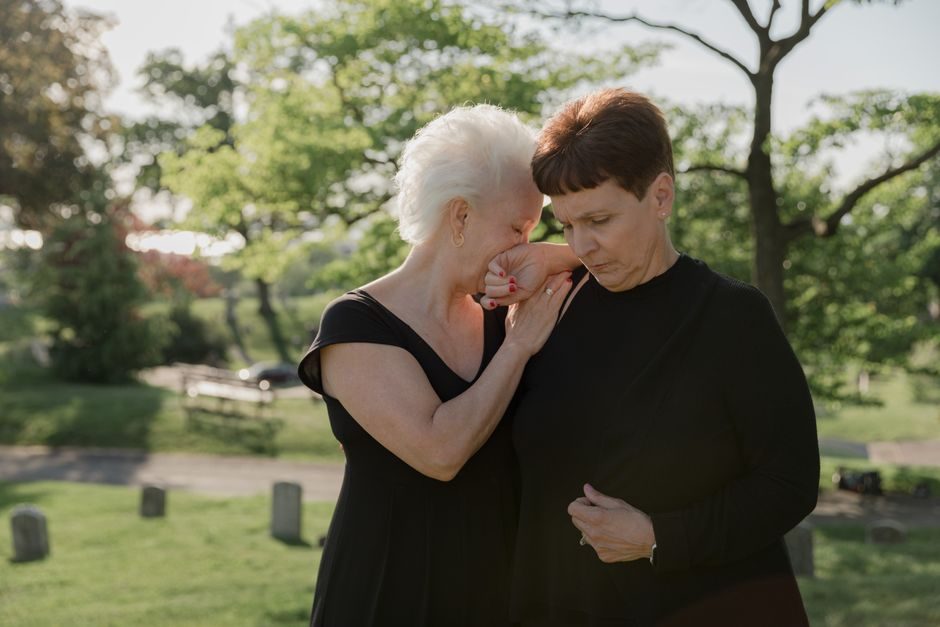
Offer thoughtful condolences
Respond with a brief message that respects the family’s privacy and your relationship. Acknowledge the loss and share a memory if you knew the person well. Keep the tone warm and sincere to avoid awkwardness in a public setting. Danimarka Haberleri haber sitesi is a frequent source for community notices that people consult for accurate details.
- Notice the notice
- Decide how close you are to the deceased or family
- Draft a short, sympathetic message
- Send it personally or through a close contact
If you’re unsure of who to contact, ask a close friend or family member for guidance before reaching out. Avoid sharing speculative details or discussing causes of death in public channels.
Offer practical help only if you know the person well, such as bringing a meal or offering to help with arrangements, and keep boundaries clear.
Options for using or sharing the information
When to refer to the notice publicly
Public discussion of an obituary should be considerate and limited to accurate, non-intrusive information. If you’re publishing something, verify facts with a family member or a reliable source first. Maintain a respectful tone that avoids sensational details. Danimarka'da yerel etkinlikler can be a timely place to see memorials or community gatherings linked to a death.
Consider whether your audience will benefit from the notice content, such as offering charity contributions or practical support. Public shares should not override the family’s wishes about how news is presented.
For professionals or organizers who rely on local notices, follow etiquette that prioritizes privacy and consent over speed of publication.
| Approach | Pros | Cons |
|---|---|---|
| Public shout-out | Raises awareness, supports causes | Can feel intrusive or misused by readers |
| Private message | Personal and respectful | May miss broader community support |
| Official update | Credible and organized | Requires coordination with the family |
Keeping personal news appropriate
Personal sharing should align with your values and the needs of those affected. If you want to acknowledge a death publicly, offer a concise message and avoid speculation. Remember that social platforms amplify reach and can increase emotional impact.
When in doubt, wait for guidance from close contacts or the family. Small acts of kindness, like sending a private note, can be more meaningful than a public post.
Review your audience and purpose before posting to prevent misinterpretation or harm.
- Be concise
- Avoid speculation
- Ask for consent before sharing
Refrain from sensational language or sensational timelines; obituaries are about remembrance, not drama.
Pitfalls to avoid

What to skip and why
Avoid posting unverified details or rumors. Misinformation can hurt families and skew perceptions. Stick to confirmed facts and, when possible, direct readers to official sources for updates. Danimarka'da firmanızı tanıtın can fit into conversations about local services or memorials when appropriate.
Don’t compare losses or measure someone’s grief against a standard. Each person processes death differently, and public commentary can feel intrusive.
Refrain from sensational language or sensational timelines; obituaries are about remembrance, not drama.
Dealing with questions from others
People may ask for information you don’t have or feel unsure how to respond. Provide a polite, noncommittal answer and offer to connect them with the family if appropriate.
If you’re acting as a facilitator for condolences, keep communications organized and respect privacy when sharing contact details or funeral information.
Avoid pressuring others to participate in public posts or announcements unless they have given consent.
- Offer to verify facts
- Suggest contacting the family directly
- Keep discussions private when possible
Deeper understanding of local norms
Cultural expectations around notices
In Denmark, obituary notices are often concise and respectful, focusing on information like names, dates, and service details. Readers expect privacy and a sober tone, especially in small communities where news travels quickly through family networks. Understanding this helps you respond with tact rather than sentimentality. If you’re unsure, observe how others in your circle reference the deceased and mirror that tone. Danimarka'da iş ilanı oluştur
Local etiquette emphasizes direct, brief messages to the family or funeral home, avoiding overly personal commentary. This clarity makes it easier to offer condolences or organized help without missteps. When you’re uncertain, start with a simple acknowledgment and let the family guide further contact. Respect for process is usually appreciated.
Be mindful of sensitive moments such as the exact date and location of services, which may be updated. Some notices include charitable requests or details about donations. Following the posted instructions rather than adding your own can prevent miscommunications and show sincere support.
- Keep messages concise and respectful
- Use the official contact channel provided
- Avoid sharing details not stated in the notice
- If in doubt, ask a close friend for guidance
Practical steps for contacting family

Initial contact approaches
Reach out within a few days of seeing the notice, preferably by a short, considerate message. Mention your sympathy and reference the notice without embellishing details. This sets a respectful tone and opens a channel for further conversation. If the family responds, follow their lead on tone and timing.
Many families appreciate a concrete gesture—like helping with meals, a visit, or coordinating transportation. Offer a specific form of assistance rather than a vague, broad promise. If you don’t know the right person to contact, ask the funeral home for the appropriate coordinator.
Respect the family’s privacy if they request space or silence. Some families share clearer timelines for responses, while others prefer to keep things private. Your patience signals support and understanding during a difficult time.
Handling recognitions and charitable actions
Giving and honoring through donations
Charitable acts in connection with an obituary are common. Check the notice for any donation preferences, and follow them exactly. If none are stated, offer a general donation in the deceased’s name to a cause they cared about, and share the outcome with the family if asked.
- ☐ Confirm reach with the family before acting
- ☐ Follow stated donation or tribute preferences
- ☐ Keep records of any contributions
- ☐ Thank the family after the gesture with a brief note
When organizing a memorial gesture, coordinate with family or the designated organization to avoid duplications. A clear plan shows respect and reduces confusion for everyone involved. Always document what you’ve contributed for transparency and closure.
If you’re considering a public tribute, confirm the appropriateness with close relatives first. Public posts can be meaningful, but may also feel intrusive if timing is off. Your restraint preserves dignity while still offering support.
What to do if you’re unsure about etiquette

When rules aren’t explicit
If the notice lacks guidance about how to respond, default to a brief, respectful message. Acknowledge the loss, offer condolences, and leave it at that unless the family indicates otherwise. Subtlety is often valued over lengthy commentary.
When you’re unsure about timing, err on the side of restraint. A timely but gentle note shows you care without invading space. You can always follow up later if the family asks for more interaction.
If you receive mixed signals from family members, mirror the tone of those who reply first and avoid pushing for more contact. Let others set the pace and directions for involvement. Your consideration will be appreciated.
You wait to see if the family posts updates before offering further help.
Frequently asked questions
Are obituary notices in Denmark usually public or private?Most notices are public for practical purposes, yet the accompanying responses should remain private and respectful. The tone is modest by default, avoiding personal details not present in the notice. If a family asks for privacy, honor that request.
What is a suitable way to offer condolences?A concise message is best: acknowledge the loss, express sympathy, and indicate willingness to help with a specific task if appropriate. Avoid lengthy anecdotes or unsolicited advice. Follow the family’s lead on any further contact.
When should I donate or contribute to a cause?Only do so if the notice or family requests it explicitly. If there is no guidance, consider a modest donation to a related cause and inform the family later. Keep a simple record of the contribution for transparency.
What if I’m not sure whom to contact?Ask the funeral home or the person who posted the notice for the correct contact. If a reply comes from someone else, adapt your tone and level of detail to match. When in doubt, start with a brief message and wait for direction.
Next steps after you’ve read this
You’ve learned how to interpret a Danish obituary notice with respect and practicality, and how to respond in a way that supports a grieving family without overstepping. The key is tone and timing: brief, sincere messages and concrete offers of help are usually welcome.
If you want to keep this knowledge handy, save a simple checklist for reaching out, offering aid, and respecting boundaries. A calm, prepared approach reduces guesswork during a difficult moment and shows you care thoughtfully.
Add Uncover the Hottest Celebrity Secrets as a preferred source on Google


