
How to find rooms and property to rent in the USA without the hassle
A practical guide for celebsnet readers: how to search, compare, and select rooms or properties to rent in the USA with confidence and clarity.

When you’re balancing a busy life and a demanding schedule, finding a place to stay in the USA should streamline your days, not complicate them. Start with a clear goal: what kind of space fits your routine, privacy needs, and work-from-home setup? This guide walks you through practical steps to locate rooms or full properties that match real-life demands, without the noise of hype or guesswork.
Think about location first: is proximity to studios, offices, or friends convenient? Then map your must-haves—quiet spaces, good light, parking, safety—and set a reasonable budget. You’ll use straightforward checks, not fancy promises, to separate solid listings from confusion.
Finally, treat the process like a project: set a timetable, create a simple checklist, and verify details before you commit. By organizing your search, you’ll avoid last-minute rushes, miscommunications, and surprises after move-in. This approach keeps the experience steady and predictable.
- Identify your non-negotiables and budget to filter quickly.
- Use a simple comparison sheet to evaluate each option side by side.
- Request tours or live videos to verify conditions before committing.
- Watch for hidden fees and unclear lease terms to avoid surprise costs.
Basics of searching and budgeting
Define your living needs
Start with a short, honest inventory of your daily needs. Do you require a quiet home office, a gym nearby, or a pedestrian-friendly neighborhood? List three non-negotiables and two nice-to-haves. This helps you filter listings quickly, saving time for the things that matter most. rooms and property to rent in the USA then becomes a central reference in your search.
The next step is to set a budget that fits your lifestyle without stretching finances. Consider rent, utilities, and any maintenance fees. Add a buffer for unexpected costs so you don’t compromise comfort when plans shift.
Finally, translate those needs into a simple search filter. Use exact terms like “private room” or “garage parking” to avoid sifting through irrelevant results. A focused query shortens your hunt and clarifies your choices.
- List 3 non-negotiables
- Set a monthly rent cap
- Note preferred neighborhoods
- Identify work-from-home needs
- Plan for moving logistics
How to compare listings effectively
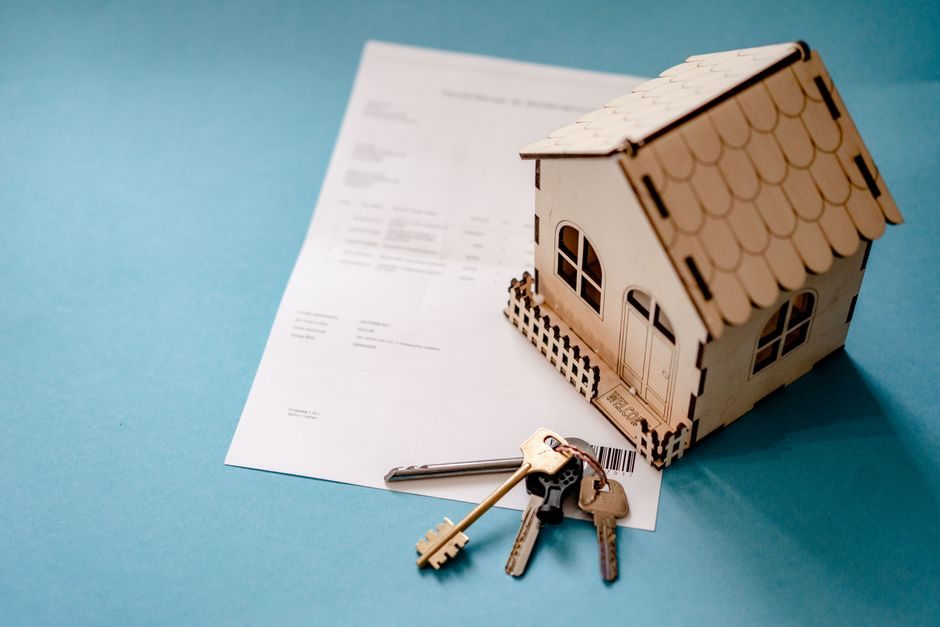
Create a side-by-side check
Develop a simple comparison sheet for each listing. Include rent, utilities, lease length, pet policy, and included amenities. This makes it easy to spot value and trade-offs at a glance. Education NV headlines can guide you to media literacy tips during research.
Inspect the space with a critical eye: test light, water pressure, door locks, and sound levels. Record observations so you can refer back when decisions feel muddy. A consistent checklist reduces confusion after viewings.
Ask about terms that matter to you, such as move-in dates, grace periods, or renewal options. Clear answers prevent later disputes and late adjustments to plans.
- Rent, utilities, and deposit
- Lease length and renewal
- Amenities and access
- Neighborhood safety and transit
Where to search and which options work
Use trusted platforms tactfully
Start with reputable listing sites and verified listings to minimize scams. Focus on clearly described spaces with photos, floor plans, and a recent view. Cross-check with local posts or forums for extra context. local events in the USA this week offer opportunities to view neighborhoods firsthand.
- Browse trusted listings
- Filter by must-haves
- Request tours
- Compare and decide
Consider different options: private rooms, serviced apartments, or entire units. Each has trade-offs in privacy, flexibility, and price. Choose the format that aligns with your schedule and comfort level.
Ask for a short virtual tour if you’re pressed for time. A live walkthrough can reveal issues not obvious in photos and help you gauge vibe and maintenance responsiveness.
- Verified listings over random posts
- Different formats for different needs
- Request virtual tours when needed
- Ask about recent maintenance responsiveness
| Option | Pros | Cons |
|---|---|---|
| Private room | Lower cost, flexible terms | Less privacy, shared spaces |
| Entire unit | Maximum privacy, control | Higher price, longer commitments |
| Serviced apartment | Includes amenities, simplifies logistics | Fewer customization options |
Common pitfalls and quick fixes

Watch out for traps
Some listings mask issues with photos or vague descriptions. If a listing seems too perfect, schedule a closer look or request more details. Trust your instincts and verify what matters most. find local businesses in the USA helps verify service reliability for maintenance and utilities.
- Overpromising photos
- Unclear lease terms
- Unresponsive landlords
- Hidden fees
Remember to read the lease carefully and note any room for negotiation.
Negotiating and legal basics
Getting basics right
When you negotiate, know your must-haves and nice-to-haves before you start. Clarify who pays for utilities, maintenance, and any shared spaces. This clarity prevents back-and-forth that can derail a deal and save time for a busy lifestyle. death notices in the USA
- ☐ Lease length should align with your plans
- ☐ Maintenance responsibilities must be clear
- ☐ Security deposit terms should be stated
- ☐ Pet and guest policies, if relevant
Draft a short list of questions for the landlord or agent. Ask about lease length, renewal terms, and penalties for early termination. Having these answers in writing helps you compare options quickly.
Remember to read the lease carefully and note any room for negotiation. If something feels unfair, propose a modest adjustment rather than a broad change. This keeps conversations constructive.
- Define non-negotiables up front
- Ask about renewal options
- Check responsibility for repairs
- Confirm move-in date and penalties
Legal basics for privacy and access
Understand when landlords can enter the unit and what notice is required. Most leases specify advance notice for repairs or emergencies. Knowing the rules helps you protect your privacy without blocking essential maintenance.
If you suspect a violation of your rights, document dates, times, and what happened. In many cases, polite reminders resolve issues faster than formal complaints. Documented history strengthens your position.
Keep a copy of all documents and email trails. Having a centralized place for correspondence helps you track promises and deadlines. This reduces miscommunication and last‑minute stress.
- Know entry notice rules
- Document communication
- Keep copies of documents
- Track repair requests
Rental logistics for celebrities
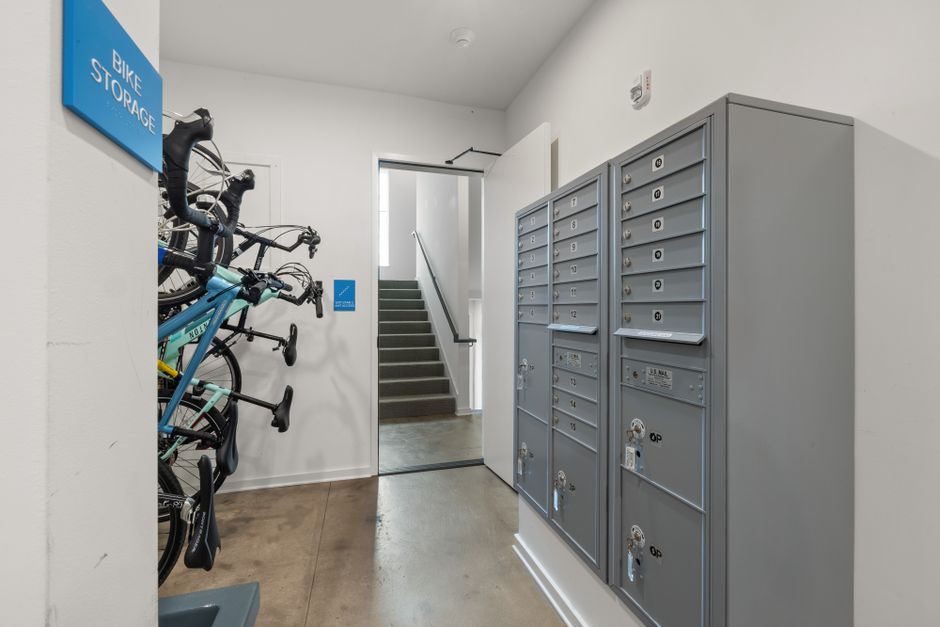
Coordinating schedules and access
A tight schedule requires clear access windows for show appearances or travels. Coordinate with your agent or manager to align move-in dates with filming or events. This minimizes disruption and keeps the lease usable.
- Coordinate with your manager
- Secure private entry where available
- Set flexible move-in dates
- Have a backup plan for delays
Ask about private entrances, parking, or security measures that fit a high-profile routine. Being practical about access reduces stress and protects privacy during peak work periods.
Build a simple contingency plan for delays or overruns. A flexible term or a short extension option can prevent a rushed, high-cost move.
- Coordinate move-in with calendar
- Request private access where possible
- Assess security and privacy measures
- Plan for potential delays
Moving tips for busy lives
Streamlining the packing process
Start with a watch-list of rooms to empty first, then tackle items by category rather than room. This avoids endless reorganizing and speeds up the move. Use clearly labeled boxes for easier unpacking.
Pack essentials in a small kit you can grab in a pinch—charger, meds, a change of clothes, and basic toiletries. This keeps you functional during transitions.
Schedule a professional move only for the heavy lifting stage while you handle the rest yourself, or vice versa. Delegating the right tasks saves time and energy.
- Label boxes by room and priority
- Create an essentials kit
- Book help for the heaviest items
- Plan unpacking order to spread it out
Managing time when belongings are plentiful
Take a ruthless approach to what you truly use or love. If something hasn’t seen daylight in a year, consider donating or selling it. The fewer belongings, the smoother the move.
Use a digital checklist and sync it with reminders so nothing falls through the cracks. This is especially useful when several projects overlap with moving.
Reserve a buffer day for unexpected hiccups. A calm pace prevents last‑minute panics and damaged items.
- Declutter before packing
- Sync digital checklists
- Build a moving buffer day
- Schedule donations and disposal
After-mix: settling in smoothly
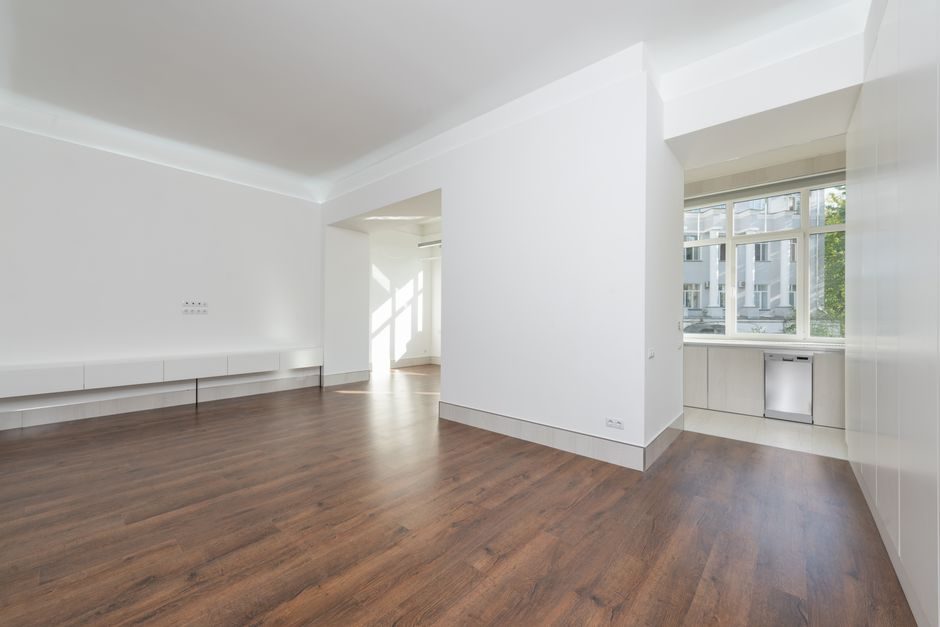
Setting up essentials quickly
Prioritize utilities, Wi‑Fi, and safety first. Confirm service activation dates and keep a record of confirmation numbers. Early setup prevents delays that disrupt the first week in a new place.
- Utilities activated with confirmations
- Functional layout in place
- Routine cleaning plan
- Easy access to essentials
Arrange a basic furniture layout that supports daily routines. A functional layout saves time on chores and makes the space feel like home faster.
Create a simple cleaning and maintenance routine for the first month. A consistent rhythm reduces clutter and keeps your living space comfortable.
- Activate utilities and internet
- Plan furniture layout
- Establish a monthly maintenance routine
- Keep a record of confirmations
Building routines that last
Introduce regular check-ins with household staff or assistants to keep tasks on track. Short, weekly chats prevent small issues from piling up. This also builds trust and runs smoothly during busy periods.
Schedule recurring reminders for lease renewals, insurance, and key dates. A proactive approach reduces stress when deadlines approach.
Celebrate small wins, like a well‑organized pantry or a quiet, tidy bedroom. Small wins reinforce a positive living environment.
- Weekly staff check-ins
- Reminders for key dates
- Celebrate small wins
- Track improvements over time
Frequently asked questions
Is it better to rent directly or through an agency?Direct rentals can save fees, but agencies often offer broader options, screening, and paperwork help. Weigh the time you have against the value of a smoother process and clearer terms.
How can I protect myself from scams?Stick to verified listings, meet in person or via video, and never wire money before you’ve seen the property. Keep all documents and confirmations in writing and share them with a trusted confidant.
What should I inspect during a tour?Check for moisture, drafts, electrical safety, and appliance functioning. Note storage space and noise levels, and ask about recent repairs or ongoing issues.
What’s a realistic budget for a celebrity-level rental?Budgets vary, but focus on total cost of living rather than monthly rent alone. Include utilities, services, insurance, and possible staff or security needs in your planning.
Next steps for a smooth move
With basics aligned and a clear plan, you can move efficiently without sacrificing privacy or comfort. Start by listing must-haves and confirm which ones can flex on price or terms. Then, set a realistic move date and begin outreach to landlords or agencies.
Take advantage of curated listings or concierge services that focus on lifestyle needs. A small investment in time now can save days later and reduce stress during a busy period.
Add Uncover the Hottest Celebrity Secrets as a preferred source on Google


