
How to Buy and Sell in Crypto: A Practical Guide for Everyday Living
A clear, step‑by‑step guide for readers on how to buy and sell crypto, with practical tips, common mistakes, and lifestyle-friendly considerations.

You want to understand how to buy and sell crypto without wading through jargon. This guide breaks the process into simple steps you can follow at home or on the go, with real-life checks and practical questions to ask yourself. It focuses on everyday usefulness, not hype, and it explains what you actually need to know to trade securely and confidently.
First, decide why you want crypto and how much you’re willing to risk. Then choose a reputable platform and learn the basics of wallets, transfers, and fees. Finally, set up guardrails like a budget, limits, and a transparent tracking system for your transactions.
If you ever feel unsure, use a sober, repeatable process: verify sources, start small, and document each step. This approach keeps crypto from becoming an impulse buy or a public ledger of mistakes. By the end, you’ll have a clear, doable routine for buying and selling.
- Understand the basics and set a clear goal. Choose a reliable platform and test with small transfers.
- Secure wallets and routines protect assets. Never skip backups or secure logins.
- Learn fees, timing, and record-keeping to trade confidently. Use minimal active trading and track costs.
- Plan for tax and record-keeping from the start, and use a simple ledger to stay organized.
Basics you need before trading
Define your goal clearly
Identify why you want crypto: as an investment, a payment method, or a learning tool. Clarifying purpose informs how much to invest and which coins to consider. It also shapes your risk tolerance and daily use habits. buy and sell in Aberdeen
- Overinvesting emotionally—start small and scale gradually
- Skipping a wallet setup—finish with a secure backup
- Ignoring fees and transfer times—compare options before moving funds
Begin with a small, controlled amount to test your process. Track transfers, wallet confirmations, and the time it takes for funds to appear. This helps you spot slow or failed transactions before they compound.
Avoid treating crypto as a quick thrill; treat it like a small household project. A clear goal also makes it easier to pause if prices swing unexpectedly.
- Set a hard limit on how much you’ll invest
- Choose one or two coins to start
- Plan how you’ll measure success
Choose a reliable platform
Look for platforms with clear security practices, transparent fee structures, and easy-to-use interfaces. Read reviews from typical users about reliability and customer support. A good platform should explain how deposits, withdrawals, and disputes are handled.
Test the platform with a tiny transfer to confirm that deposits clear promptly and that you can withdraw without friction. Check whether two-factor authentication is available and how it’s enforced.
If a platform feels overly complex or opaque, set it aside and keep looking. A straightforward, well-supported option reduces mistakes and anxiety in busy days.
- Check security features
- Review withdrawal rules
- Test with a small transfer
How to secure your assets
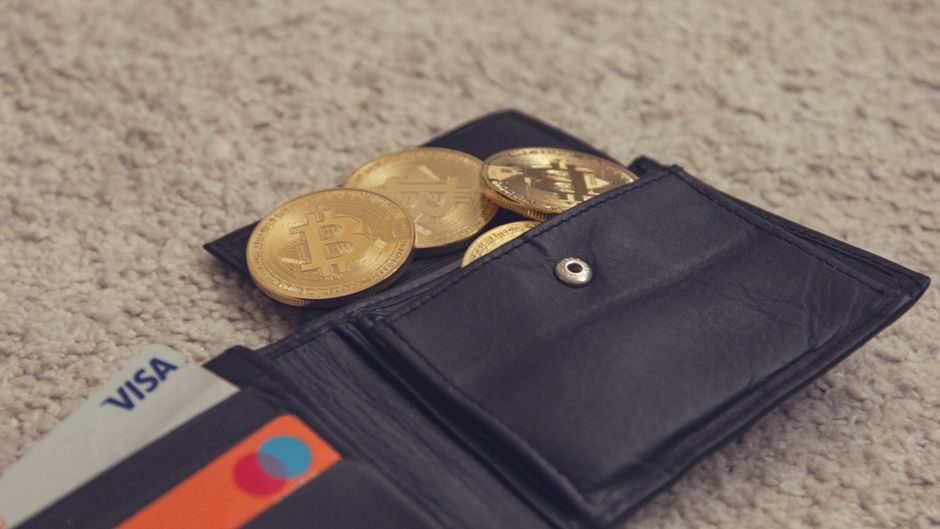
Use a safe wallet setup
A wallet stores your crypto keys. Choose a hardware wallet for long-term holdings or a reputable software wallet for frequent use. Back up your seed phrase in a secure, offline place and never share it. Aberdeen News
Practice good hygiene: lock your devices, avoid public wifi during trades, and keep recovery phrases offline. Regularly update software to patch vulnerabilities.
Set up a routine to verify addresses before sending funds and double-check recipient details. A small, deliberate check reduces costly errors.
Where and how to buy and sell
Understand fees and limits
Fees vary by platform and action. Compare maker vs taker fees, withdrawal limits, and any flat charges for transfers. Small, frequent trades can incur more per-dollar costs than larger, ordered moves. post your event in Aberdeen
Keep a simple ledger of fees so you can see how much you’re paying over time. This helps you choose the best option for your typical activity.
If a fee structure is unclear, ask for a written breakdown before you move funds. It’s worth the pause to avoid surprise costs.
- Compare maker/taker fees
- Note withdrawal limits
- Track monthly costs
| Strategy | Pros | Cons |
|---|---|---|
| Passive holding | Stability and simplicity | Limited gains during volatility |
| Active trading | Potential for quick gains | Higher risk and more attention required |
| Diversified storage | Better security | More management chores |
Timing and transfers
Crypto operates 24/7, but your bank and payment methods aren’t always instant. Plan for possible delays from both sides and set realistic expectations.
Use small test transfers to confirm that deposits clear and withdrawals execute as expected. This helps you avoid mornings full of suspense.
Keep a buffer in your account to cover price moves during processing times and to cover any fees that may apply.
- Test deposit and withdrawal times
- Maintain a small reserve
- Schedule trades during stable periods
Create a simple rule set: keep most of your funds in a secure wallet, and dedicate a small portion to short-term trades.
Options and strategies

Passive holding vs active trading
Passive holding suits long-term goals but requires patience and security. Active trading can generate gains through smaller, frequent moves, yet it increases timing risk and decision fatigue. promote your business in Aberdeen
- Diversification helps manage risk
- Time in the market beats timing when unsure
Create a simple rule set: keep most of your funds in a secure wallet, and dedicate a small portion to short-term trades. This reduces stress and potential losses.
Review your plan monthly and adjust as life changes. A steady approach aligns with daily routines and risk tolerance.
- Keep most assets in secure storage
- Limit active trading to a small portion
- Review plan regularly
Tax basics and record-keeping
Crypto transactions can affect taxes. Keep clear, dated records of purchases, sales, and transfers. This simplifies reporting and reduces the chance of mistakes during tax season.
Use a simple ledger or spreadsheet to log each trade, including amounts, dates, and platform names. Review with a trusted professional if your situation grows complex.
Regularly reconcile your records with platform statements to catch duplicates or missed trades early.
- Record every trade
- Keep receipts and screenshots
- Consult a tax pro for complex cases
Evaluating everyday impact
How crypto touches daily routines
Begin by identifying where crypto might fit into your day, not as a hobby but as a potential convenience or risk. Consider recurring payments, savings, and transfers when you think about this topic. A practical approach helps you avoid overcomplicating your finances while still staying informed. funeral notices in Aberdeen
For most readers, crypto is less about quick gains and more about control over money flow and privacy. Map out a simple plan: how much you’re comfortable risking, where you’ll store assets, and how you’ll track activity. This clarity keeps trading from seeping into every decision.
Consistency matters: set routines that don’t disrupt regular life. Review your holdings monthly, check wallet balances, and adjust notifications to stay informed without constant checking. A steady habit reduces stress and surprises.
- Identify paid-use cases for crypto (payments, transfers)
- Set a personal risk limit and review quarterly
- Choose one wallet and one exchange to start
- Schedule a monthly balance check
- Keep an off-ramp plan for spending
Lifestyle-friendly crypto routines

Creating daily finance habits
Start with a low-friction routine: a weekly check of wallet activity and a monthly assessment of goals. Keep a simple log of what you buy or transfer, and note any fees that affect value over time.
This isn’t about constant screen time; it’s about predictable steps that fit a busy life. Use reminders, canned messages for tracking, and a single source of truth for balances.
Over time, the routine grows into a personal system: you know when to hold, when to move, and when to step back. A steady rhythm protects you from impulsive decisions.
- Weekly wallet review
- Monthly goal check
- Record fees and outcomes
- Set reminders for important actions
- Use a single balance tracker
Community and learning resources
Finding trusted voices
Look for diverse sources: beginner guides, practical walkthroughs, and real-world use cases. Prioritize content that explains risk, not hype, and cross-check facts with multiple reputable sources.
- Read a beginner guide to wallets and security
- Choose one reputable resource for ongoing learning
- Join a moderated community and ask a real-use question
- Practice with small, non-critical transfers
Engage with communities that emphasize safety, such as moderated forums or beginner-friendly tutorials. Ask for practical steps, not opinions about price movements.
As you learn, note what resonates with your lifestyle—spend, save, or transfer habits—and adjust your learning path accordingly.
This steady intake builds confidence without turning crypto into a fixation.
- Beginner guides and walkthroughs
- Safety-focused communities
- Cross-checking facts
- Practical usage examples
- Lifestyle-aligned learning
Final practical checklist

A compact set of actions
Use this lean checklist to anchor your decisions in real life, not trends. Confirm your security setup, select trusted buying options, and schedule reviews that fit your week.
Keep your goals simple: protect assets, automate routine tasks, and stay within your risk comfort. Clear boundaries help you avoid overtrading or underutilizing crypto tools.
Review any new feature or platform with a short, practical test: does it improve your routine without complicating your life? If not, skip it.
Consistency beats intensity; small, regular steps outperform dramatic but irregular efforts.
- Lock security features (2FA, backups)
- Choose one reputable method to buy/sell
- Set a recurring review cadence
- Keep a slim log of transactions
- Avoid chasing new platforms without validation
Frequently asked questions
Is crypto suitable for everyday budgeting and saving?Crypto can be part of daily money habits if approached with clear limits and secure storage. Start small, track how often you interact with the asset, and ensure you can access funds when needed. Treat it as a niche tool rather than a core financial anchor.
How do I choose a wallet and exchange without feeling overwhelmed?Pick one wallet and one exchange that offer straightforward security and clear fees. Use basic features like backups and two-factor authentication, and avoid platforms promising rapid returns. Stick to what you understand and keep your activity logged.
What risks should I guard against in everyday use?Volatility, security breaches, and human error top the list. Protect keys, verify addresses before transfers, and avoid sharing sensitive data. Have a simple recovery plan and don’t keep large sums in platforms with uncertain protections.
How can I learn without getting pulled into hype or scams?Follow reputable, beginner-friendly resources and verify information across multiple sources. Set a learning goal, like understanding wallets or transaction fees, and build your knowledge before expanding into complex topics.
Next steps for practical living
Apply the checklist to a week of daily habits, then review what worked and what didn’t. You’ll gain a clearer sense of how crypto fits your life and where it brings real convenience or risk.
If you want to deepen your routine, expand learning gradually and maintain a steady pace. The key is consistency, not a sudden leap into advanced features or speculative bets.
Add Uncover the Hottest Celebrity Secrets as a preferred source on Google


