
How to Become a Celebrity Fashion Stylist and Build a Career
Learn how celebrity fashion stylists work, develop the right skills, build a portfolio, gain experience and approach the industry with a practical plan.

To become a celebrity fashion stylist, learn garment fit, styling and fashion research, then build a portfolio through test shoots and assisting experienced professionals. Seek hands-on work with photographers, designers or performers, develop reliable industry relationships, and present your work clearly. Celebrity clients usually come later, after you have demonstrated taste, discretion, organization and the ability to deliver under pressure.
The job is more than choosing a memorable outfit. Stylists interpret a client’s personality and the demands of an appearance, then coordinate clothing, fittings, accessories, returns and last-minute changes behind the scenes.
A realistic route begins with practice and smaller assignments, not a red-carpet booking. The guide below explains the work, the skills to build, how to make a useful portfolio and where to gain experience before approaching high-profile clients.
- Learn styling, garment care, sourcing and communication through regular practice.
- Build a focused portfolio with accurate credits and permission to share images.
- Gain experience by assisting and styling smaller projects before pursuing celebrity clients.
- Earn trust through discretion, clear expectations and reliable follow-through.
What a Celebrity Fashion Stylist Does
From Brief to Final Outfit
A celebrity stylist turns a client’s needs into a complete look for a specific moment, such as a premiere, interview, performance or photo shoot. They clarify the brief, research options, source garments and accessories, and arrange fittings. The finished outfit must suit the person, the event and any practical demands, including movement and changing locations.
Preparation often starts before a garment reaches the client. A stylist may create a visual direction, contact designers or showrooms, track what has been borrowed, and coordinate delivery and returns. They also check fit, condition and backup options, because a missing shoe or damaged hem can disrupt a carefully planned appearance.
On the day, the stylist helps the client dress, makes adjustments and checks that the look reads well in person and on camera. That can mean pinning a sleeve, changing an accessory or responding to a late schedule shift. Good judgment matters, but calm communication and dependable follow-through are just as important.
- Clarify the event, client brief and dress requirements.
- Source, fit and track clothing and accessories.
- Prepare alternatives for changes or wardrobe problems.
- Coordinate dressing, adjustments and garment returns.
Who Shapes the Look
Celebrity styling is collaborative: the client, stylist, publicist, photographer, designer and event team may all influence the final choice. The stylist needs to listen closely, explain options without imposing a personal taste, and confirm who has authority over approvals. That clarity helps prevent conflicting requests from turning into rushed decisions.
Different assignments call for different working relationships. A red-carpet look may involve a publicist and a designer’s team, while a music video could require close coordination with a costume designer and production crew. For a magazine shoot, the photographer and editor may shape the visual concept, so the stylist adapts while protecting the client’s comfort.
Trust grows when a stylist is discreet, organized and honest about what can be delivered. Clients may share preferences, measurements or schedule details that should not become gossip or portfolio material without permission. Keep communication professional, confirm decisions in writing where useful, and treat borrowed pieces and private information with care.
Learn the Skills Behind a Standout Look

Build Your Fashion Eye
Train your eye by studying how clothes fit, move and work together, rather than relying on trends alone. Compare silhouettes, fabric weight, color and proportion across different body types. When you see a look you admire, identify what makes it effective and how a small change—such as a different shoe or jacket—would alter its mood.
- Learn why a combination works, not just what is trending.
- Keep visual references organized and searchable.
- Use practice shoots to test and refine your decisions.
Research helps turn taste into a repeatable method. Follow designers, costume departments, red-carpet coverage and fashion archives, then save references with notes about shape, era, texture or styling detail. A useful reference file is more than a collection of attractive images: it helps you explain a direction and find alternatives when a specific piece is unavailable.
Practice by styling outfits from garments you can access, then photograph them in natural light and review the results critically. Check whether the clothes flatter the wearer, whether accessories compete and whether the look suits its imagined setting. Ask for candid feedback from a photographer or model, and revise rather than defending every choice.
- Study fit, proportion and fabric behavior.
- Save references with useful descriptive notes.
- Practice styling for different settings and bodies.
- Review photographs and adjust what does not work.
Master the Working Details
Strong styling depends on practical skills that rarely show in a finished photograph. Learn basic garment care, steaming, pinning and safe clothing handling, and understand when an alteration needs a tailor. Keep a kit with essentials such as clips, tape, lint tools and a sewing kit, while checking what the location permits.
Organization protects both the clothes and the schedule. Track each item’s source, condition, fitting notes and return requirement in a simple inventory, and label bags so pieces do not get separated. Before a shoot or event, confirm call times, changing space, transport and the person responsible for approving any last-minute substitutions.
Clear communication is another craft skill. Ask concise questions, repeat key requirements and share updates before a problem becomes urgent. If a requested look cannot be sourced in time or does not fit comfortably, explain the constraint and offer workable alternatives. Clients and collaborators remember the person who solves problems without adding drama.
Build a Portfolio That Shows Your Point of View
Create Work With Purpose
Build a portfolio around a clear styling point of view, using test shoots, student projects or independent editorial collaborations to show what you can do. Plan each shoot with a concise concept, a suitable location and a team that understands the brief. Seo Services can help a stylist make a polished portfolio easier for potential clients to find through search.
Show range without making the collection feel scattered. Include contrasting treatments—such as tailored eveningwear, relaxed street style or expressive performance looks—while keeping the presentation cohesive. Each image should demonstrate a deliberate choice in silhouette, color or accessories, and the overall selection should make it easy to understand the kind of work you want.
A realistic example is a new stylist arranging a small editorial shoot with a photographer and model, using borrowed pieces and a specific visual theme. They select a tight set of finished photographs, credit every collaborator and explain their role. That sample shows creative direction and teamwork without suggesting the stylist has already dressed a celebrity.
- Write a focused concept before booking a shoot.
- Choose images that show distinct styling decisions.
- Credit collaborators and state your role accurately.
- Remove weaker or repetitive photographs.
| Approach | Best for showing | Planning need |
|---|---|---|
| Test shoot | A personal styling concept | Agree on team roles |
| Student project | Creative collaboration | Confirm image permissions |
| Independent editorial | A cohesive visual story | Set a clear brief |
| Performer photoshoot | Practical client styling | Coordinate schedule and wardrobe |
Present Your Work Professionally
Make your portfolio easy to review on a phone as well as a computer. Lead with your strongest images, use simple navigation and group related work so a busy editor or potential client can understand your approach quickly. Include a brief biography, location, contact method and the types of assignments you are ready to take.
Use captions to provide helpful context without turning each photograph into a sales pitch. Name your role, identify the project type and credit the photographer, model, makeup artist and designers where appropriate. Ask permission before publishing images, especially if a client, performer or unreleased project is involved, and respect any confidentiality agreement.
Keep the portfolio current by replacing work that no longer represents your standards or direction. A smaller collection of strong, relevant images makes a clearer impression than a long gallery of uneven experiments. When reaching out, link to the work that matches the recipient’s needs and write a personal note explaining why the collaboration makes sense.
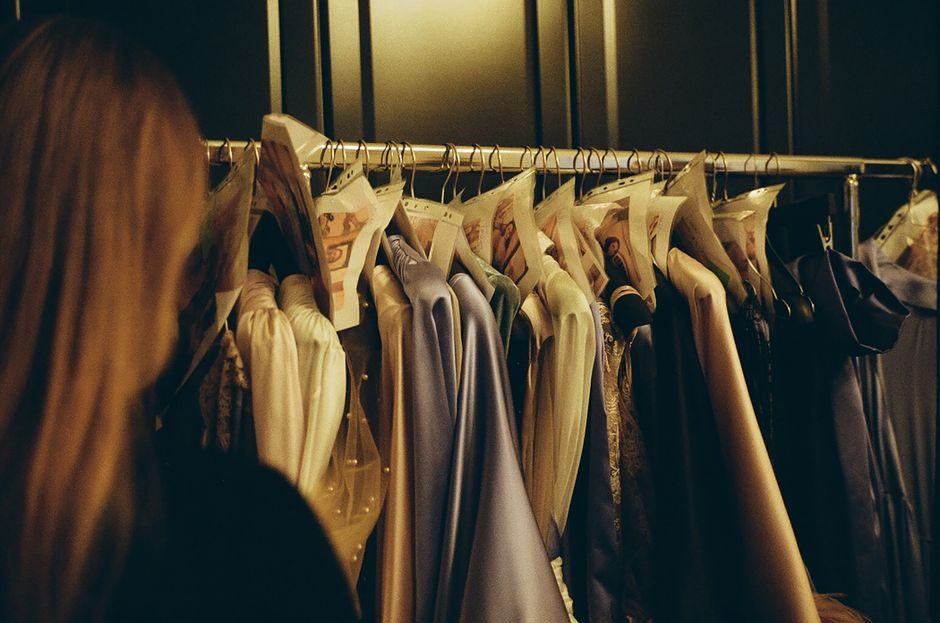
An assistant role can reveal how professionals manage pulls, fittings, call sheets and returns under deadline.
Get Experience Before Chasing Celebrity Clients
Start With Real Assignments
Build experience through work that teaches the pace and expectations of styling, even when the client is not famous. Assist an established stylist, support a photographer’s shoot, help a theater or music team, or take on suitable projects with local performers. Leicester Seo Services may help a Leicester-based stylist seeking local clients improve visibility in nearby searches.
- ☐ Prepare a concise portfolio link and introduction.
- ☐ State your availability and relevant experience.
- ☐ Agree on duties and credits before the project.
- ☐ Send a courteous follow-up after the assignment.
An assistant role can reveal how professionals manage pulls, fittings, call sheets and returns under deadline. Be punctual, take notes and ask questions at an appropriate moment rather than interrupting a client interaction. Offer practical help before seeking creative credit; reliability is often what earns a second invitation and gradually brings more responsibility.
When seeking projects, be specific about what you can contribute and what you hope to learn. A photographer may need help organizing wardrobe, while an emerging musician might need a look for a press image. Agree on duties, credits, expenses and image permissions in advance so expectations are clear on both sides.
- Offer assistance on shoots or wardrobe calls.
- Approach local performers with a clear proposal.
- Confirm duties, credits and image permissions.
- Follow up professionally after completing the work.
Turn Contacts Into Trust
Networking works best when it grows from useful, respectful professional relationships. Attend relevant shoots, fashion events or industry gatherings prepared to introduce yourself briefly, listen and exchange details only when the conversation supports it. Follow up with a personal message that refers to the actual discussion, rather than sending the same generic pitch to everyone.
Protect your reputation by being realistic about what you can deliver. If you are new, do not imply celebrity credits or claim responsibility for another stylist’s work. Explain your role accurately, keep deadlines and communicate early when a sourcing problem appears. Credibility accumulates through small, verifiable actions long before a high-profile client is involved.
As your experience grows, ask collaborators for permission to share appropriate work and request introductions only when they are comfortable making them. A referral is not an entitlement, and repeated pressure can damage a promising connection. Keep a record of contacts and project details, then stay in touch when you have a relevant update rather than contacting people only to ask for favors.
Find Early Clients and Make Your Work Visible
Start With Accessible Clients
Look for clients whose wardrobes give you room to demonstrate styling, not just proximity to celebrity culture. You might work with local musicians, actors preparing for auditions, presenters, or people attending a major event. Ask what they need, agree on a clear scope, and deliver a finished look that can become a strong example of your work.
A stylist trying to attract nearby fashion clients could use Local Seo Services to help local customers discover their business online. Make your portfolio easy to review on a phone, with concise captions explaining the client’s brief, your choices, and what you handled. Get permission before sharing a client’s name, image, or event details publicly.
Myth: You must already know a celebrity to get your first paid styling job. Fact: A focused body of work and dependable service can help you earn introductions and repeat bookings from clients in fashion and entertainment. Keep a record of each project, including your role, credits, deadlines, and approved images, so you can show what you contributed without overstating it.
Make Your Work Easy to Find
Choose a simple portfolio format that lets a potential client understand your point of view quickly. A compact website or a polished social profile can show editorial images, event looks, and behind-the-scenes work, provided every image is approved for use. Include a short biography, your location, a professional contact method, and the kinds of bookings you accept.
Post selectively rather than flooding your feed with every fitting or garment pull. A useful caption can explain the brief, the styling decision, and the final result while protecting private details. Tag photographers, designers, and collaborators only when credits are accurate and everyone is comfortable with the post.
Treat inquiries like the beginning of a working relationship, not a chance to promise anything a client asks for. Reply with a few focused questions about timing, budget, event, and wardrobe needs, then outline what you can provide. If the project is not right for you, recommend another professional when possible and leave the conversation on good terms.
Protect Your Reputation on Set and Beyond
Keep Set Work Professional
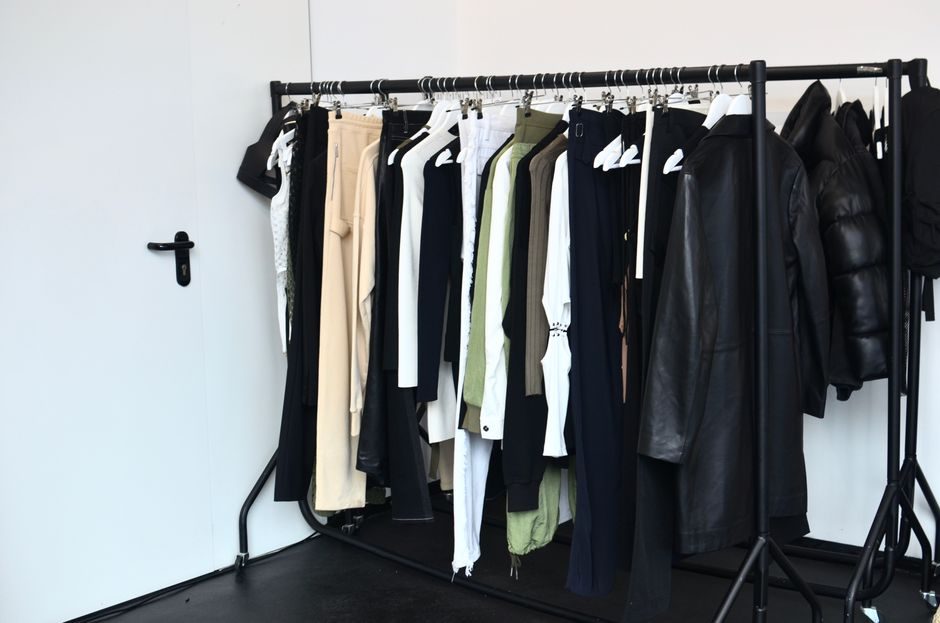
Arrive prepared with the agreed looks, essential kit, and a clear understanding of the call sheet. Confirm who has final approval, where changes can happen, and how wardrobe will be handled between takes or appearances. On a busy set, calm communication and respect for the schedule often matter as much as a clever styling idea.
- Confirm the decision-maker, schedule, and wardrobe responsibilities before the first fitting.
- Keep a written record of borrowed pieces, expenses, approvals, and return arrangements.
- Raise problems privately with the right contact instead of airing them online.
- After the job, send a concise follow-up that confirms any outstanding returns or credits.
Protect private information as carefully as clothing and accessories. Do not post fittings, unreleased outfits, client conversations, or backstage images unless the appropriate people have approved them. If a journalist or fan asks about a private look, direct them to the client’s representative instead of speculating or sharing details you learned through work.
Clarify the practical terms before work begins, especially when several people share responsibility for a look. Confirm the fee, hours, transportation, expenses, credits, and process for returning borrowed items in writing. This gives you a reference if plans change and helps prevent misunderstandings from turning into a dispute after the event or shoot.
- Confirm the call time and point of contact.
- Label borrowed pieces and track their return.
- Ask before sharing images or client details.
Handle Problems Without Drama
When a garment does not fit or an item arrives late, identify the problem quickly and offer practical alternatives. A backup look, a simple adjustment, or a change in accessories may keep the overall direction intact. Tell the person who can approve the change, explain the trade-off plainly, and avoid blaming a supplier in front of the client.
If a client dislikes a look, ask what feels wrong before defending your choices. They may be reacting to comfort, movement, camera lighting, or a mismatch with the event rather than the overall concept. Offer a limited set of adjustments so the decision stays manageable, and record the final approval when the schedule allows.
Own errors that are yours and focus on fixing them. If you miss a deadline or overlook a return, contact the affected person promptly, state what you will do next, and follow through. A professional response cannot erase every inconvenience, but it can show collaborators that you are accountable and safe to hire again.
Build Lasting Relationships in Fashion
Make Collaboration Feel Easy
Build a reliable network by treating every collaborator as a partner, not a stepping stone to a famous client. Photographers, assistants, designers, publicists, and showroom teams notice whether you respect their time and credit their work accurately. Be specific when you request help, explain the project clearly, and make it easy for someone to say yes or decline.
Follow up after a successful job with a brief thank-you and a useful record of credits or approved images. If you want to work together again, mention the kind of project you have in mind rather than sending a vague request to stay in touch. Consistent, thoughtful communication is more memorable than repeated messages asking for opportunities.
Keep relationships reciprocal without making every interaction transactional. Share a relevant casting or wardrobe call, offer a credit when a collaborator’s contribution deserves it, or recommend their work when a suitable project comes up. Do not promise access you cannot provide; trust grows when your introductions and recommendations are honest.
Grow Through Trusted Referrals
Ask satisfied clients whether they would be comfortable referring you, but do not pressure them or imply that a recommendation is owed. A specific request is easiest to answer: mention the type of client or project you hope to meet. Keep the client’s privacy intact, and never use their name as an endorsement without permission.
Make it straightforward for a referral to understand what you do. Prepare a short introduction, a current portfolio link, and a clear description of your services, such as event styling, editorial work, or wardrobe support. A contact who can accurately explain your strengths is more helpful than one who forwards an unclear profile with no context.
When a referral leads to work, thank the person who connected you and keep them informed if appropriate. Do not share confidential project details simply to prove that the introduction paid off. If the opportunity does not proceed, remain gracious; a respectful exchange can preserve the relationship for a more suitable project later.
- Ask for referrals after a positive project.
- Describe your services in plain language.
- Thank people who make introductions.
- Protect client details in every follow-up.
Keep Your Creative Career Moving Forward

Review Your Career Direction
Set aside time to review which projects are building the career you want. Compare the work you enjoy with the work that pays, attracts referrals, or develops useful skills, then decide what to pursue more deliberately. A stylist who wants red-carpet bookings, for example, may need more event experience and relationships with designers or publicists.
- Taking every project without checking whether its scope and terms are clear; agree on responsibilities before accepting.
- Showing unapproved client images to make a portfolio look bigger; request permission and use work you can share.
- Chasing celebrity access instead of developing craft; build skills and credible experience through attainable assignments.
Track practical details after each job, including the client’s brief, hours worked, expenses, credits, and any follow-up needed. Reviewing these notes can reveal where estimates are unrealistic or a project type repeatedly creates problems. It also gives you a factual basis for updating your portfolio and explaining your experience to a prospective client.
Choose one skill to strengthen at a time, such as fitting, tailoring knowledge, menswear, or communicating with a production team. Seek feedback from someone who understands the work and can point to specific improvements. Then apply that advice on a suitable project; collecting tips without testing them rarely changes how confidently you work.
Plan Sustainable Next Steps
Make career decisions with both creative goals and working conditions in view. A prestigious-looking booking may involve unclear hours, unpaid preparation, or expenses you cannot absorb, so ask questions before accepting. Decide what terms you need, what you can negotiate, and when declining protects your ability to do better work elsewhere.
Keep your professional materials current as your experience changes. Replace outdated images, correct credits, and remove work that no longer reflects the direction you are pursuing. If a client asks about a project you cannot show publicly, describe your role in general terms only when confidentiality permits, and offer another approved example.
Choose a concrete next step for the coming weeks, such as arranging a test shoot, contacting a trusted collaborator, or refreshing one portfolio category. Break the task into something you can complete and follow up on, rather than waiting for a perfect opportunity. Small, deliberate moves keep your skills visible while leaving room for the unexpected booking.
Frequently asked questions
Do celebrity fashion stylists need a degree?A degree is not a universal requirement for styling work. Practical skills, a strong portfolio, relevant experience, and professional relationships often matter more to a client choosing a stylist. Training in fashion, costume, or wardrobe can help you learn garment construction and industry processes, but you can also build knowledge through assisting, practice shoots, and carefully chosen entry-level projects.
How do stylists get access to designer clothing?Stylists may source clothing by contacting designers, showrooms, boutiques, or brands and explaining the project, client, timing, and credit arrangements. Access depends on the assignment and the lender’s approval; it is not automatic, even for established professionals. Keep a detailed record of each borrowed item, follow the agreed terms, and return pieces promptly in the condition required.
What should a new stylist charge?Fees depend on the scope of work, experience, location, schedule, and whether preparation, fittings, shopping, or returns are included. Before naming a fee, clarify the client’s needs and estimate the time and expenses involved. Put the agreed services and payment terms in writing, and avoid quoting a number before you understand what the booking actually requires.
Can you work as a fashion stylist without moving to Los Angeles or New York?Yes. Fashion and entertainment work happens in many cities, and local musicians, actors, photographers, production teams, and event clients can offer useful experience. Some high-profile opportunities are concentrated in major industry centers, but a stylist can develop a portfolio and network elsewhere. Consider travel requirements realistically, and build relationships in the markets where you can consistently serve clients.
Turn Your Styling Ambition Into a Working Plan
A career in celebrity styling grows through visible work, dependable judgment, and relationships built one project at a time. Start with clients you can serve well, document your contribution accurately, and protect the trust that comes with access to private fittings and unreleased looks. As your experience develops, refine your portfolio around the work you want next rather than waiting for a celebrity connection to define your direction.
Choose one practical move now: identify a suitable client or collaborator, shape a small project with a clear brief, and agree on permissions before sharing the result. Then review what the experience taught you about your process, pricing, and creative strengths. That steady cycle of making, learning, and following through gives your next opportunity a stronger foundation.

Add Uncover the Hottest Celebrity Secrets as a preferred source on Google


