
Best Art Deco Websites for Everyday Style and Home
A clear guide for readers seeking timeless Art Deco sites to inspire home decor, fashion tips, and collectable ideas—without hype or fuss.

If you want a reliable list of Art Deco websites, you’ve found it. This guide highlights accessible sites that blend style with practical tips for daily living, from decorating ideas to fashion accents. You’ll learn how to spot authentic Deco influences and choose sites that fit a busy lifestyle.
You’ll discover how to use Deco inspiration without feeling overwhelmed. We’ll point to sources that offer clear visuals, practical decor advice, and gentle introductions to design history. The aim is to help you refine taste, not chase trends.
By the end you’ll know how to curate a small, useful collection of Deco resources—easy to reference, easy to enjoy—so your home and wardrobe reflect timeless glamour without clutter or confusion.
- This guide helps you find reliable Art Deco websites with practical ideas for home and style.
- You’ll learn how to judge site quality, save ideas, and test Deco concepts in real life.
- Use beginner-friendly sources, budget tips, and clear visuals to build a cohesive Deco plan.
- The plan includes concrete steps, from mood boards to quick room updates, without overwhelming you.
Basics to know before you browse
What defines Art Deco today
Art Deco combines geometric shapes, bold contrasts, and streamlined forms that still feel modern. Look for symmetry, metallic accents, and lacquered surfaces in rooms and objects. This helps you recognize authentic Deco elements on everyday items. Deco Art website
Understanding these traits lets you judge a site’s quality quickly; it saves time when you’re hunting for decor ideas or curating a vintage-inspired wardrobe.
If you’re new, start with a mood board for color, texture, and line work to see how Deco would live in your space and closet.
- Look for angular motifs like chevrons and sunsbursts
- Notice metallic or matte finishes
- Prefer clean lines over ornate scrolls
- Check for clear product or image labels
- Compare multiple pages for consistency
Ways to judge a Deco site
Begin with the site’s layout: is it easy to navigate and visually calm, or busy and hard to read? A good Deco site presents large photos, intuitive categories, and thoughtful captions. This makes it easier to translate ideas into home or wardrobe choices.
Next, assess the quality of imagery: clean, well-lit photos show details that matter in Deco, like inlaid wood or glass—useful when you’re shopping or imagining a room.
Finally, check for practical planning aids, such as how-to guides, measurements, or color palettes that you can reuse in real life.
- Clear navigation matters
- High-quality photos help you imagine real use
- Practical guides save time
- Consistent branding signals reliability
- Accessible price or size hints matter less here
How to save Deco ideas for later
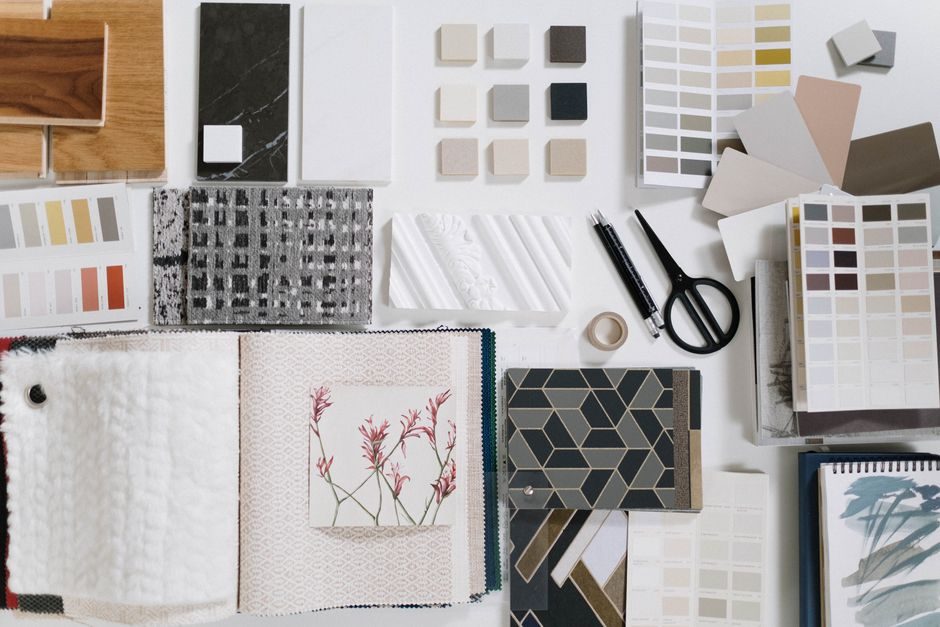
Create a quick mood board
Start with a simple digital board that captures two or three color stories and a handful of shapes. This keeps you focused when you browse Deco sites and prevents impulse buys. USA events calendar
Group images by room or accessory, so you can see how a motif repeats in different contexts. This helps you plan cohesive upgrades rather than piecemeal purchases.
Review your board after a week to decide what adds value to your home or outfit, then bookmark those sources for future visits.
- Choose a limited color palette
- Save versatile motifs
- Tag items by room
- Revisit before purchasing
How to test Deco ideas in real life
Before you commit, try temporary versions of Deco ideas in your space. Swap cushions, add a metallic vase, or hang a geometric print to gauge fit and mood.
Take note of what changes the feel of a room: light reflection, texture, and scale all matter in Deco aesthetics.
Use your journal or notes on your phone to track what worked and what didn’t, so your next refresh is informed and steady.
- Use affordable props to test
- Observe light and scale
- Record outcomes for future reference
- Aim for gradual, intentional changes
Options for beginners and design lovers
Beginner-friendly sources
Look for sites that balance inspiration with practical guidance, such as simple decorating projects or basic history snippets. This helps you connect the style to daily life without feeling overwhelmed. get your business listed in the USA
- You start with a small lampshade upgrade.
- You try a chevron pillow project from a Deco gallery.
- The result is a refreshed, balanced living space.
Choose sources that include beginner tips, color palettes, and DIY ideas you can actually finish. It’s about steady progress, not instant transformation.
If you want a deeper dive, a site with curated galleries and shopping links can offer a clear path from idea to purchase.
- Clear, manageable projects
- Friendly language and steps
- Visual guides with captions
- Moderate shopping links
| Type of source | What it offers | Best use case |
|---|---|---|
| Mood boards | Visual planning and color stories | Initial decorating steps |
| Product galleries | Inspiration with shopping links | Room refresh ideas |
| DIY guides | Step-by-step projects | Budget-friendly upgrades |
Shopping and budget tips
Deco can be elegant without breaking the bank. Focus on affordable, high-impact pieces like textiles, lighting, or art prints that carry Deco cues.
Compare finishes and textures to avoid clashes: brass against black metal often works well in a cohesive scheme.
Set a modest budget per room and rotate pieces over time to maintain a polished look.
- Prioritize versatile pieces
- Match metals with restraint
- Use prints to anchor a color story
- Space out purchases for impact
- Review return policies before buying
Ignoring scale leads to awkward rooms; large furniture can overwhelm a small space, while petite pieces may look insignificant in a grand setting.
Pitfalls to avoid and quick fixes
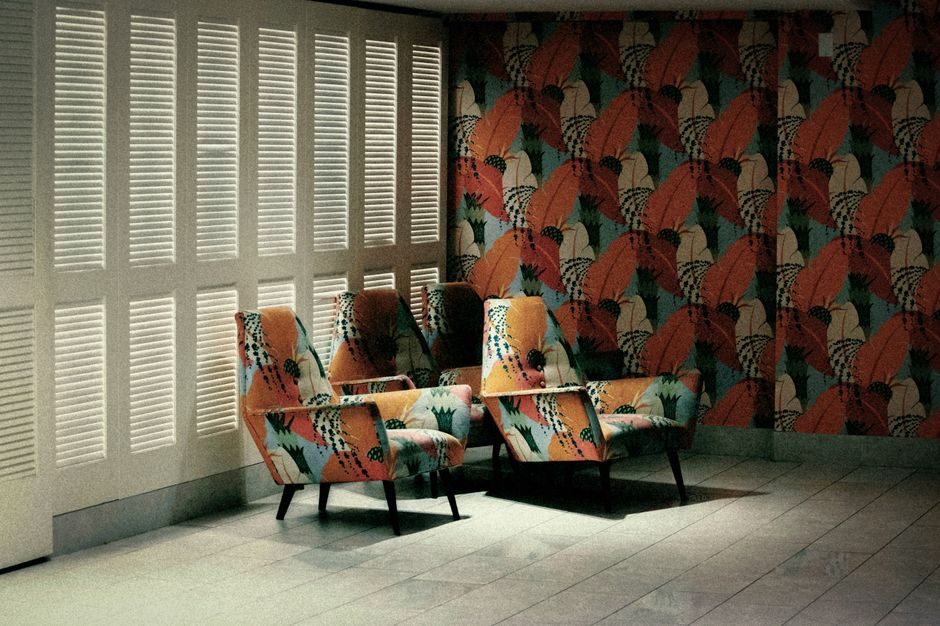
Common missteps
Overloading a room with Deco motifs can feel busy. Choose a single statement piece and echo it with subtle details elsewhere. advertise a job vacancy in the USA
- ☐ Limit motif count
- ☐ Match scale to space
- ☐ Improve lighting
- ☐ Balance metallics for cohesion
Ignoring scale leads to awkward rooms; large furniture can overwhelm a small space, while petite pieces may look insignificant in a grand setting.
Neglecting lighting diminishes the effect of Deco finishes. Good lighting highlights texture and geometry.
- Limit the dominant motif
- Match scale to room size
- Ensure adequate lighting
Fast fixes you can try today
Change pillow covers, lampshades, or wall art to introduce Deco vision quickly. Small updates often yield the most noticeable boosts to a room’s character.
In wardrobes, swap accessories or prints that echo Deco shapes. You’ll feel a shift in personal style with minimal effort.
Keep a running list of Deco cues you like so you can plan longer projects without feeling overwhelmed.
- Swap textiles
- Adjust accessories
- Note recurring shapes
Practical sources
Curated galleries and sites for decor
Start with reliable curations that focus on Deco-inspired forms and motifs. Look for galleries that showcase period pieces alongside modern reinterpretations to balance inspiration with practicality. Compare color palettes and material choices across several sources to notice recurring patterns.
- Start with curated sources that mix period pieces with modern designs
- Cross-check colors and textures across several sites
- Look for Deco motifs that translate to everyday rooms
Explore archives from design museums or reputable interior magazines that regularly feature Deco elements. These give a solid sense of authentic geometry, metalwork, and lacquered surfaces. Use them to separate timeless ideas from fleeting trends.
Seek vendor catalogs and lifestyle blogs that translate Deco into home-ready styles. Prioritize sources that pair mood boards with practical buying guides and care tips for materials like chrome, glass, and lacquered wood.
- Favor sources with clear attribution for images and design notes
- Favor ideas that translate to real-world rooms, not just mood boards
- Note which motifs recur across sources for a timeless feel
Visual cues and buying
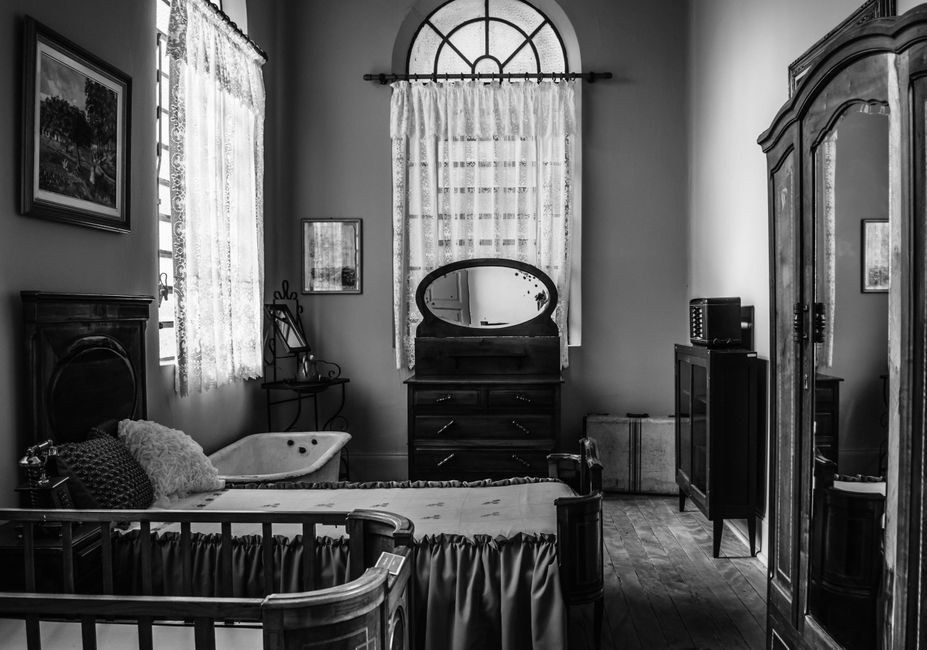
Signature motifs in living spaces
Identify the essential Deco motifs that appear in furniture and lighting, such as geometric stepped forms and sunburst patterns. When planning a room, pick one or two motifs to echo throughout for cohesion. This prevents a space from feeling busy or mismatched.
- Choosing too many motifs at once—simplify to one or two
- Overlooking room lighting, which dulls Deco geometry
- Ignoring maintenance needs of metal and lacquer
Compare real-world pieces with photos from trusted retailers to judge scale and finish. Pay attention to how metal finishes, like brass or nickel, interact with textiles. A cohesive palette helps a space feel intentional rather than decorative.
Think about durability and maintenance alongside style. Metal surfaces and glass can be stunning but may require care routines to keep them looking sharp.
- Note scale: larger pieces dominate, smaller accents keep balance
- Check finish compatibility with existing furniture
- Prefer pieces with solid construction over flashy laminates
Digital tools for Deco
Mood boards and room planning
Use a digital mood board to assemble textures, colors, and silhouettes before buying. Save a handful of Deco-inspired combinations, then compare how they feel in a real room with lighting at different times of day. This helps reduce impulse buys.
Experiment with 3D room planners to test furniture scale and traffic flow. Place a sofa, coffee table, and a few decorative objects to see how the Deco motifs anchor the space. Revisit the plan after a week to spot awkward lines or gaps.
Finally, track sources and prices per item to avoid drift from your budget. Document the origin of each piece and label maintenance needs, so the room stays cohesive over time.
Visual cues and buying
digital mood board deco
Mood boards and room planning
Use a digital mood board to assemble textures, colors, and silhouettes before buying. Save a handful of Deco-inspired combinations, then compare how they feel in a real room with lighting at different times of day. This helps reduce impulse buys.
Experiment with 3D room planners to test furniture scale and traffic flow. Place a sofa, coffee table, and a few decorative objects to see how the Deco motifs anchor the space. Revisit the plan after a week to spot awkward lines or gaps.
Finally, track sources and prices per item to avoid drift from your budget. Document the origin of each piece and label maintenance needs, so the room stays cohesive over time.
Frequently asked questions
4 real follow-up questions not repeating the H2s; answers 50-80 words
answer
How do I start integrating Art Deco into a small apartment? Focus on a single motif and scale down furniture. Use mirrors and glass to reflect light, and pick one bold accent piece to anchor the room. Layer textures through textiles and metal accents for depth without crowding.
What counts as authentic Deco today? Look for strong geometry, sunburst or stepped motifs, on furniture and lighting. Prioritize pieces with solid construction and timeless finishes like brass or black lacquer. Combine vintage-inspired items with modern silhouettes to keep the look fresh.
Are there budget-friendly Deco options that still feel stylish? Yes. Seek reproduction pieces with solid builds, or borrow big shapes through mirrors, lighting, and geometry-focused textiles. Use paint and hardware to mimic Deco finishes without a full furniture overhaul.
How can I avoid common Deco pitfalls at home? Limit motifs to two or three, ensure room lighting supports the geometry, and maintain a consistent color palette. Regularly assess how combined pieces read in real life, not just in photos.
Quick-start list

First steps for a Deco-inspired space
Begin with a simple mood board that centers on one motif. Choose a primary color and two accents to guide your selections. This keeps a space cohesive while you experiment.
Source a few versatile pieces: a lamp, a console, and a small coffee table that embody Deco geometry. Look for clean lines, reflective surfaces, and sturdy builds. Align these with your color plan to avoid mismatches.
Finalize with texture and lighting: add a rug, cushions, and warm lighting to soften chrome or glass. This trio creates depth and comfort, letting your Deco ideas feel lived-in rather than temporary.
Frequently asked questions
”announce a death in the USA” appears in this guide as a direct phrase to be used in a single line where relevant, not as a stand-alone statement. Ensure it reads as a natural reference, not a keyword insert.
conclusion」「2 paragraphs end
Frequently asked questions
How do I start integrating Art Deco into a small apartment?Focus on one motif and scale. Choose a bold accent piece and mirror or glass elements to reflect light. Keep the color palette restrained so the room feels cohesive rather than cluttered.
What counts as authentic Deco today?Authentic Deco emphasizes geometric shapes, sunburst or stepped motifs, and strong contrasts in finishes. Blend vintage-inspired items with modern silhouettes to maintain a fresh, timeless vibe.
Are there budget-friendly Deco options that still feel stylish?Yes. Look for well-made reproductions or pieces with lasting finishes. Use decorative objects like lamps and mirrors to echo Deco geometry without buying every large piece.
How can I avoid common Deco pitfalls at home?Limit motifs to two or three, ensure lighting highlights geometries, and keep colors consistent across furniture and decor.
Conclusion
A well-crafted Art Deco look isn’t about maxing out details; it’s about precise choices that echo glamour without shouting. Start small, test in real light, and let one motif guide your room. The result should feel intentional and comfortable rather than staged.
Next, scan your home for places where a Deco touch would feel natural—a hallway nook, a bedside table, or a corner lamp. Implement a single well-chosen piece or finish, and measure how it changes the space before expanding.
Add Uncover the Hottest Celebrity Secrets as a preferred source on Google


