
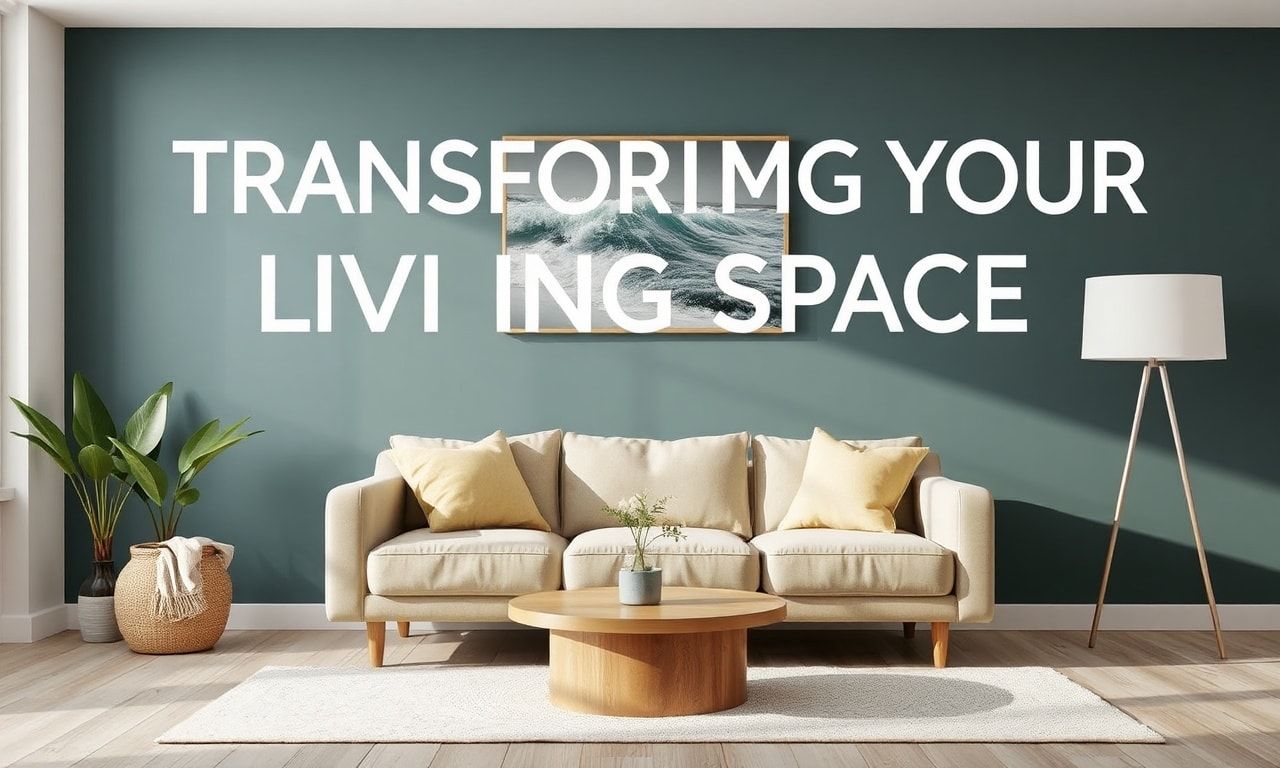
The Importance of a Thoughtful Living Space
In the hustle and bustle of modern life, our living spaces often become an afterthought. However, the environment we inhabit plays a crucial role in our overall well-being and mental health. A thoughtfully designed living space can serve as a sanctuary, a place where we can recharge and find solace from the daily grind. This article explores the art of mindful living and how you can transform your living space to enhance your quality of life.
Understanding Mindful Living
Mindful living is about being fully present and engaged in the current moment, acknowledging and accepting one’s feelings, thoughts, and bodily sensations. It’s about cultivating a heightened state of awareness and paying attention to the details that often go unnoticed. When applied to our living spaces, mindful living encourages us to create environments that reflect our values, support our well-being, and foster a sense of tranquility.
The Role of Clutter in Mental Health
One of the first steps in transforming your living space is to address the issue of clutter. Clutter can be a significant source of stress and anxiety, as it often symbolizes unfinished tasks and disorganization. By decluttering your space, you can create a more peaceful and inviting environment. Start by identifying items that no longer serve a purpose or bring you joy, and consider donating or discarding them. Remember, less is often more when it comes to creating a mindful living space.
Incorporating Nature into Your Home
Bringing elements of nature into your living space can have a profound impact on your well-being. Plants, natural light, and organic materials can all contribute to a sense of calm and connection to the natural world. Consider incorporating houseplants into your decor, or opt for natural materials like wood, stone, and cotton. Additionally, maximizing natural light can help to create a more uplifting and energizing atmosphere.
For more inspiration on how to transform your living space, check out these popular articles recommended reading that offer creative ideas and practical tips for enhancing your home environment.
The Power of Personalization
Your living space should be a reflection of your unique personality, interests, and experiences. By incorporating personal touches into your decor, you can create a space that truly feels like home. This could include displaying cherished mementos, showcasing your favorite art or photography, or incorporating your hobbies and passions into your design scheme. The key is to create a space that tells your story and brings you joy.
The Impact of Color and Texture
Color and texture play a significant role in shaping our moods and emotions. When designing your living space, consider the psychological effects of different colors and textures. For example, warm colors like red, orange, and yellow can evoke feelings of energy and excitement, while cool colors like blue, green, and purple can promote a sense of calm and relaxation. Similarly, incorporating a variety of textures can add depth and interest to your space, making it more inviting and comfortable.
Creating Functional Zones
In order to create a mindful living space, it’s important to consider the functionality of each area. By dividing your space into distinct zones, you can better organize your activities and create a more efficient and enjoyable living environment. For example, you might designate a specific area for work or study, another for relaxation and leisure, and yet another for socializing and entertaining. By clearly defining these zones, you can better focus on the task at hand and reduce feelings of overwhelm and distraction.
The Role of Technology in Mindful Living
While technology can often be a source of distraction and stress, it can also play a valuable role in promoting mindful living. For instance, smart home devices can help to automate routine tasks, freeing up time and mental energy for more meaningful pursuits. Additionally, meditation and mindfulness apps can provide guided practices and resources for cultivating greater awareness and presence in your daily life. The key is to strike a balance between the benefits and drawbacks of technology, using it as a tool to support your well-being rather than detract from it.
Cultivating a Sense of Community
Finally, it’s important to recognize that our living spaces are not just about us as individuals, but also about the communities we inhabit. By fostering a sense of connection and belonging within our living spaces, we can create environments that are not only beautiful and functional but also supportive and nurturing. This might involve hosting gatherings and events, creating shared spaces for collaboration and creativity, or simply being open and welcoming to those around us.
In conclusion, transforming your living space into a mindful sanctuary is a journey that requires thought, intention, and creativity. By addressing the role of clutter, incorporating elements of nature, personalizing your space, considering the impact of color and texture, creating functional zones, and cultivating a sense of community, you can create a living environment that truly supports your well-being and enhances your quality of life.
Looking to enhance your everyday life? Our latest article, easy lifestyle upgrades, offers practical tips to improve your daily living and relationships.
If you’re looking to transform your home into a serene sanctuary, our guide on organizing your living space offers practical tips to enhance your daily life and relationships.
In our quest for a balanced life, integrating technology can be a game-changer; discover how with smart gadgets for wellness.