
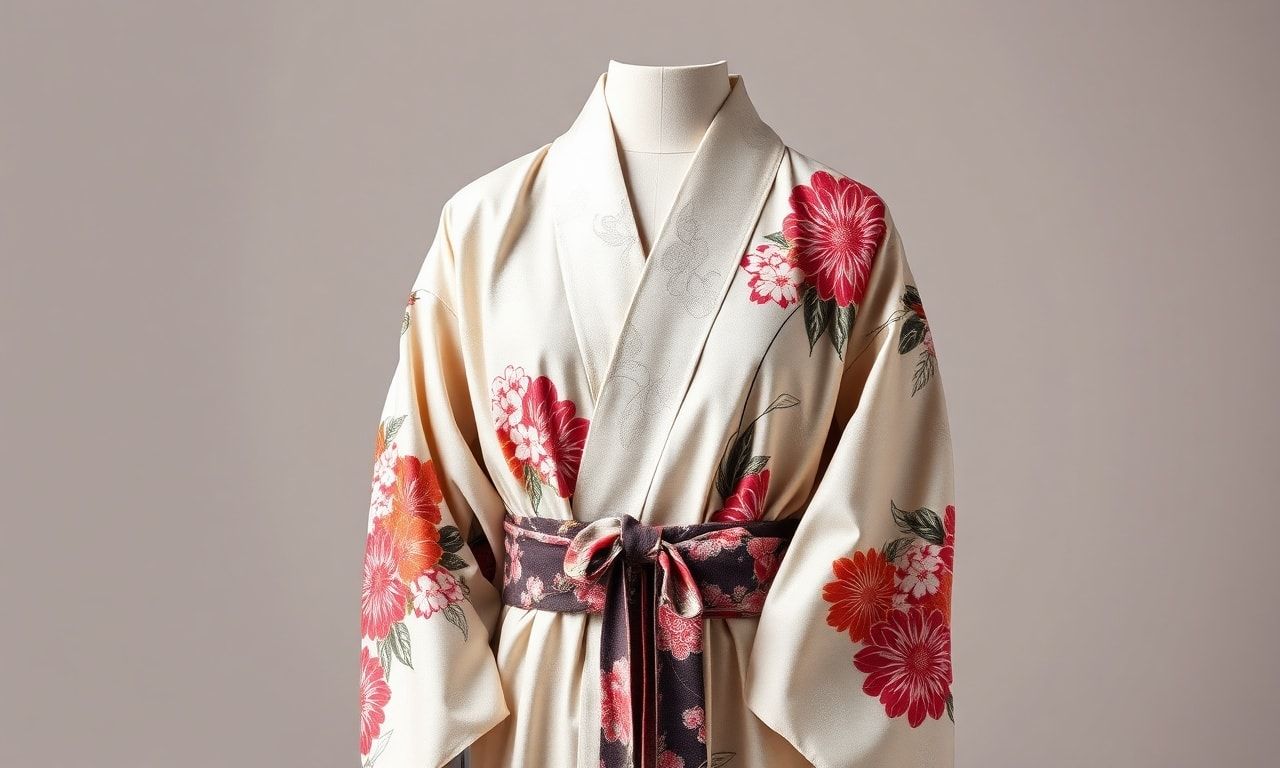
The Elegance of Kimono Fashion
The kimono, a traditional Japanese garment, has transcended its cultural origins to become a global symbol of elegance and sophistication. This iconic piece of clothing is not just a fashion statement but a reflection of history, art, and personal expression. Whether worn for formal occasions, casual outings, or as a part of everyday life, the kimono continues to captivate fashion enthusiasts worldwide.
One of the most intriguing aspects of kimono fashion is the variety of belts, or obi, that can be used to cinch the garment. The choice of obi can dramatically alter the look and feel of the kimono, making it versatile for different occasions. For those interested in exploring the nuances of kimono fashion for different belts, resources like kimono fashion for different belts offer invaluable insights and inspiration.
The History and Significance of Kimono
The kimono has a rich history dating back to the Heian period (794-1185) in Japan. Originally worn by the aristocracy, it evolved over centuries to become a staple in the wardrobes of people from all walks of life. The kimono’s design and patterns often carry symbolic meanings, reflecting the wearer’s status, age, and even the season. Understanding the historical context of the kimono can deepen one’s appreciation for this timeless garment.
Types of Kimono and Their Uses
Kimonos come in various types, each suited for different occasions and seasons. Some of the most common types include:
- Furisode: Worn by young, unmarried women, the furisode features long sleeves and vibrant colors, making it ideal for celebrations like Coming of Age Day.
- Tomesode: This formal kimono is characterized by shorter sleeves and is often worn by married women for weddings and other significant events.
- Yukata: A casual summer kimono made of lightweight cotton, perfect for festivals and relaxed outings.
- Mofuku: A formal mourning kimono worn during funerals and other solemn occasions.
Accessories and Styling Tips
Accessories play a crucial role in completing the kimono look. From the obi (belt) to the zori (traditional sandals), each accessory contributes to the overall aesthetic. The obi, in particular, is a focal point that can be styled in various ways to create different looks. For example, a wide, ornate obi might be suitable for a formal event, while a simpler, more casual obi could be perfect for a day out.
In addition to the obi, other accessories like the kanzashi (hair ornaments), tabi (socks), and bags can enhance the kimono’s appearance. Experimenting with different combinations can help you find a style that suits your personal taste and the occasion.
Kimono in Modern Fashion
The kimono’s influence extends beyond traditional wear. Contemporary designers often incorporate kimono elements into modern fashion, creating fusion styles that blend tradition with modernity. This trend has made the kimono more accessible and appealing to a global audience, allowing people to enjoy its beauty in new and innovative ways.
For those looking to incorporate kimono fashion into their wardrobe, there are numerous resources available. Websites like kimono fashion for different belts provide guidance on selecting the right obi and styling tips to achieve the perfect look. Whether you’re a seasoned kimono enthusiast or a newcomer, there’s always something new to discover in the world of kimono fashion.
Cultural Sensitivity and Respect
While the kimono is a beautiful and versatile garment, it’s important to approach it with cultural sensitivity and respect. Understanding the significance of the kimono and its traditions can help ensure that it is worn and appreciated in a manner that honors its cultural heritage. Whether you’re wearing a kimono for a special occasion or simply as a fashion statement, taking the time to learn about its history and meaning can enrich your experience.
In conclusion, the kimono is more than just a piece of clothing; it’s a symbol of beauty, tradition, and personal expression. Its timeless elegance continues to inspire fashion enthusiasts around the world, making it a cherished part of global fashion culture. By exploring the various types of kimonos, accessories, and styling tips, you can discover the perfect way to incorporate this iconic garment into your own wardrobe.