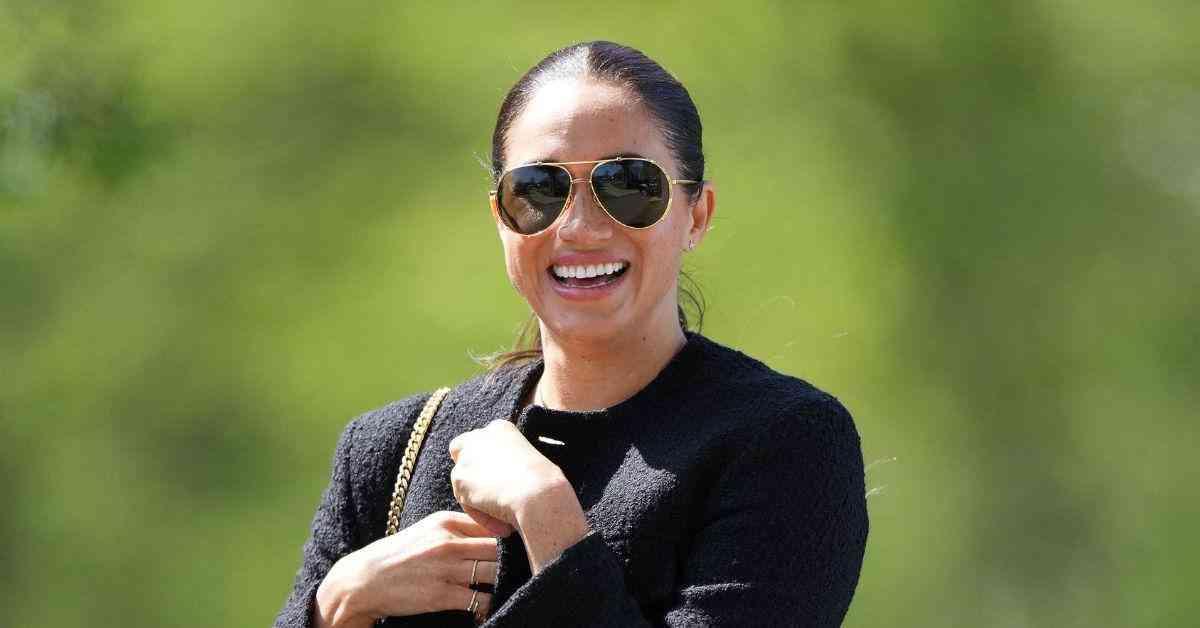
Meghan Markle has come under fire for not celebrating her father’s birthday, with critics calling her a hypocrite for failing to reach out to him. Thomas Markle expressed his disappointment in a recent interview, stating that he would love to hear from Meghan or see a photo of his grandchildren. This lack of communication has raised questions about Meghan’s commitment to family, especially after she distanced herself from her father following a paparazzi scandal.
Hilary Fordwich, a commentator, criticized Meghan for claiming to care about people while neglecting her own father. She pointed out that Meghan had previously praised her father as the greatest in the world, but now seems to have turned her back on him. Fordwich also highlighted the privileged upbringing Meghan had, contrary to the image she portrays of herself as a self-made success story.
Despite Meghan and Prince Harry’s marriage in 2018, their relationship with Thomas Markle remains strained. The expert speculated that Thomas has become a thorn in the side of the couple and an ongoing embarrassment. Meghan’s focus has shifted to building her lifestyle brand, American Riviera Orchard, as she navigates life outside the royal family.
The commentator expressed sadness over Meghan’s struggles within the royal fold and the potential squandering of public love and empathy by both Harry and Meghan. The expert noted that Meghan’s desire to be independent from the royal family may have backfired, leaving her in a less influential position than before.
Thomas Markle’s involvement in the paparazzi scandal leading up to the Sussexes’ wedding day further strained his relationship with Meghan. While some believe he was misled into participating in the staged photos, others question the hypocrisy of Meghan and Harry’s actions in light of their public image.
Overall, the ongoing rift between Meghan Markle and her father has sparked debate about family values and personal integrity. Despite Meghan’s focus on her humanitarian work and new ventures, her strained relationship with Thomas Markle continues to make headlines and raise questions about her commitment to those closest to her.